
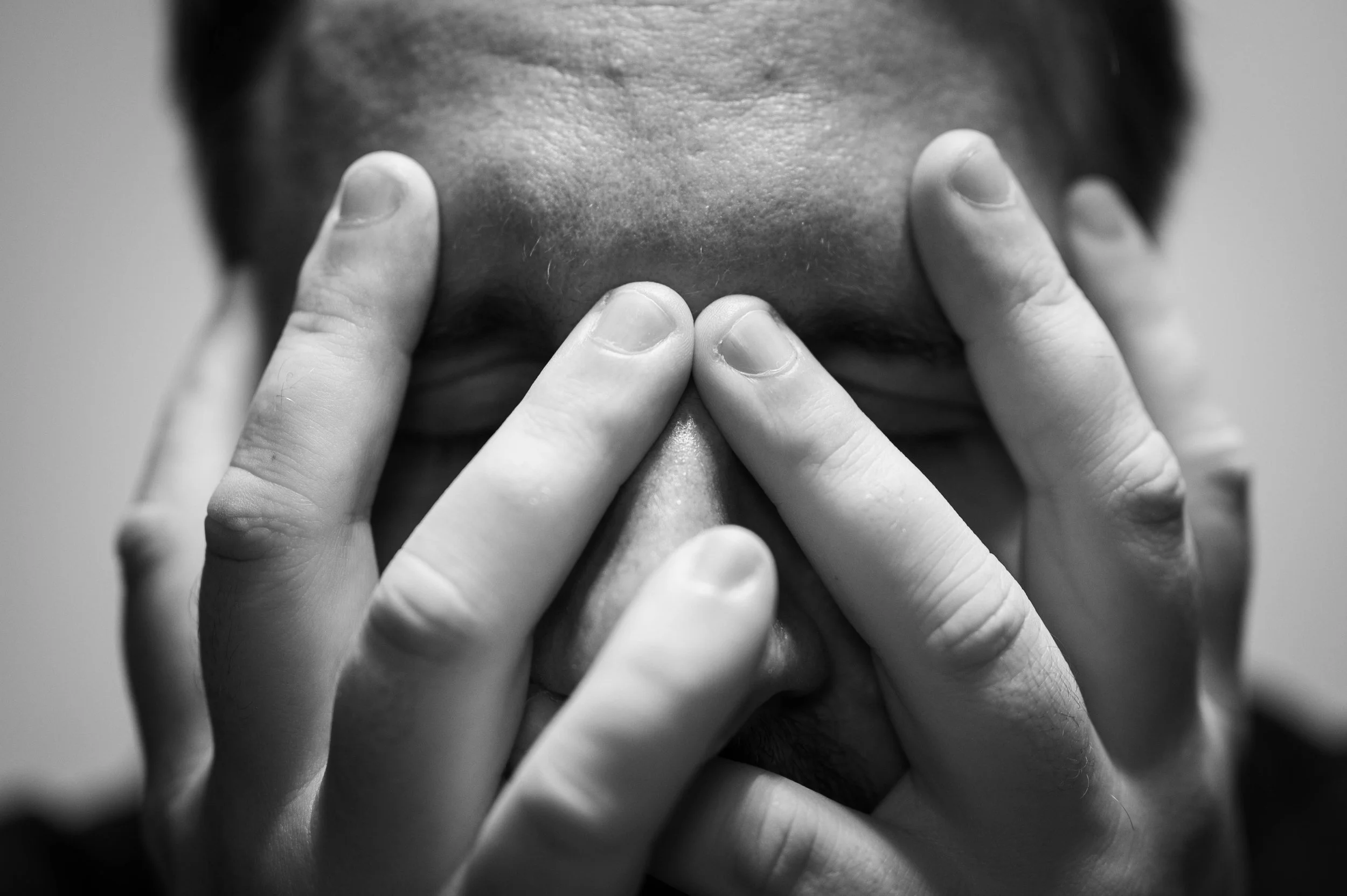
More Than Enough: Chubby Bodies in Queer Light
In a world where queerness is often celebrated only when it's thin, glossy, and hyper-curated, this project turns the lens toward what is usually cropped out: softness, roundness, heaviness — and the vibrant lives carried within them.
More Than Enough is a photographic exploration of chubby bodies in queer spaces — not as curiosities or exceptions, but as central figures of beauty, desire, defiance, and joy. These images do not ask for permission. They do not apologize. Instead, they celebrate the fullness of queer existence in all its forms.
Each portrait carries its own quiet revolution: flesh held without shame, gaze returned without fear. Some subjects dress up, some undress. Some are caught in laughter, others in reflection. Together, they form a chorus: we are here, we have always been here.
The queer scene has long promised freedom, but not always delivered it equally. This series challenges the body hierarchies still present in even the most “inclusive” spaces. It asks: Who gets to be visible? Who gets to be desired? Who gets to take up space without justification?
This is not just about representation. It is about reclamation. About tenderness as protest. About fat joy as resistance.
In these photographs, chubby queer bodies are not marked as ‘before’ pictures, or punchlines, or fetishes. They are whole, complex, and radiant — not despite their bodies, but through them. This is an ongoing project.
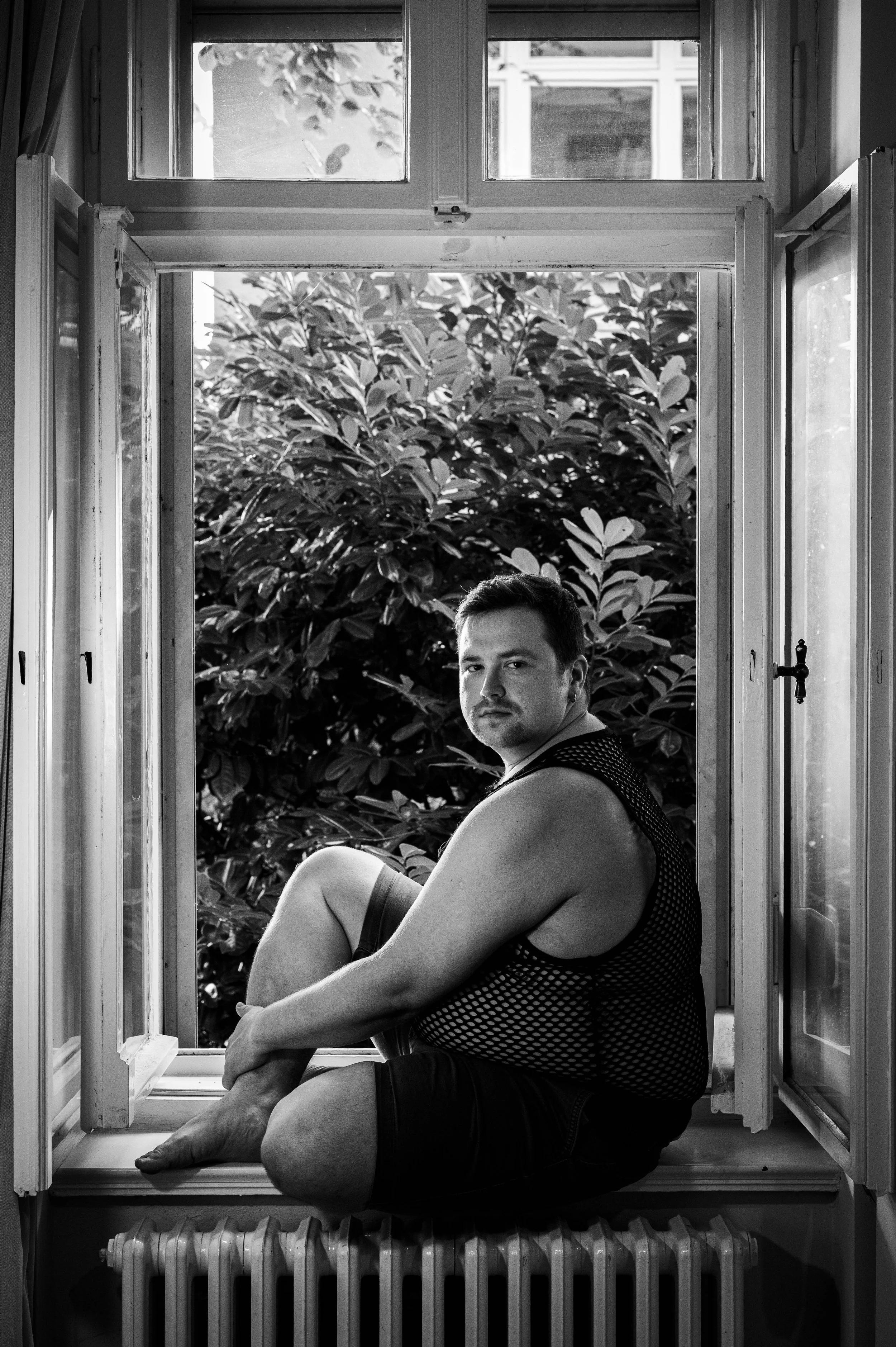
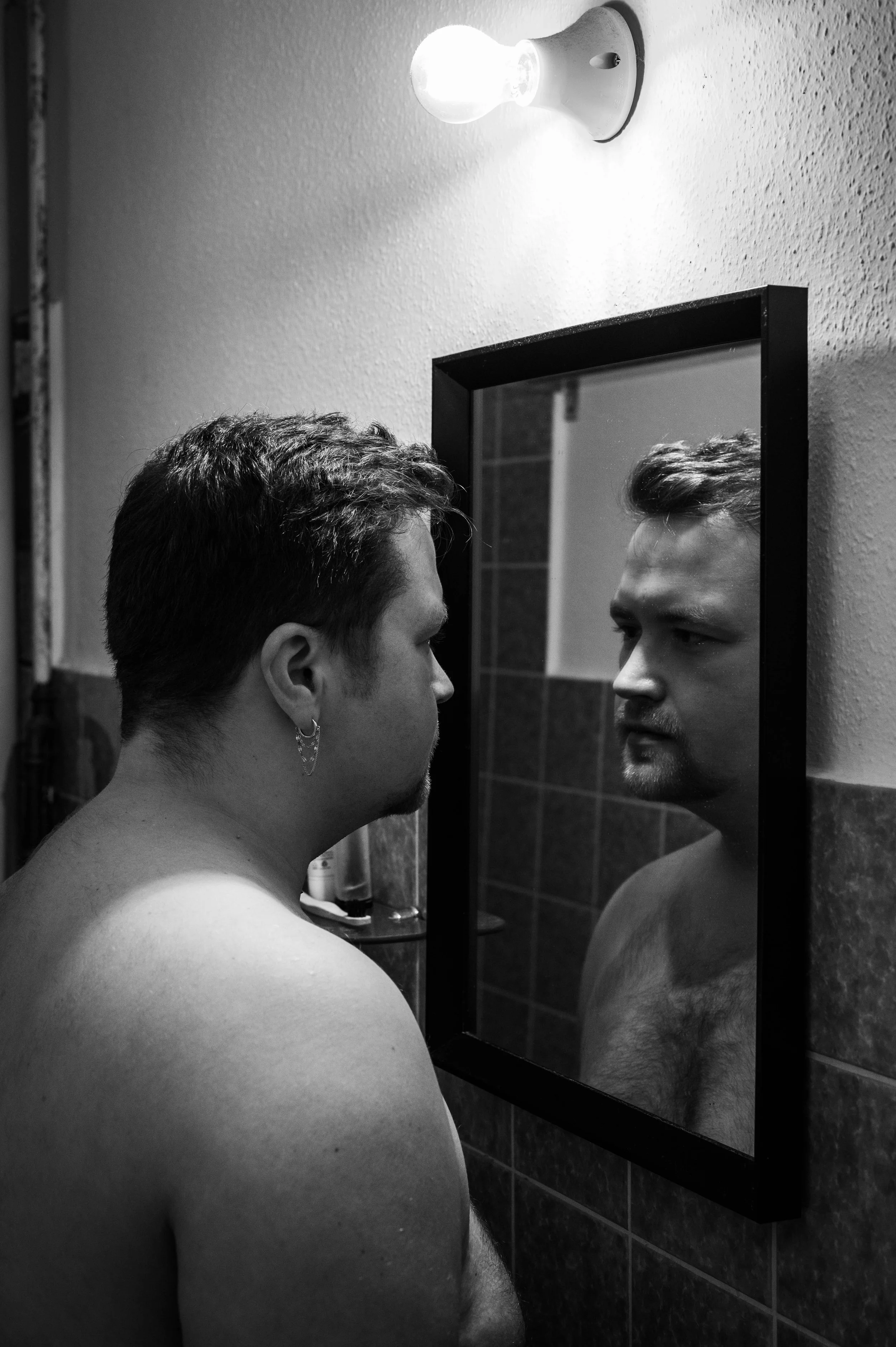
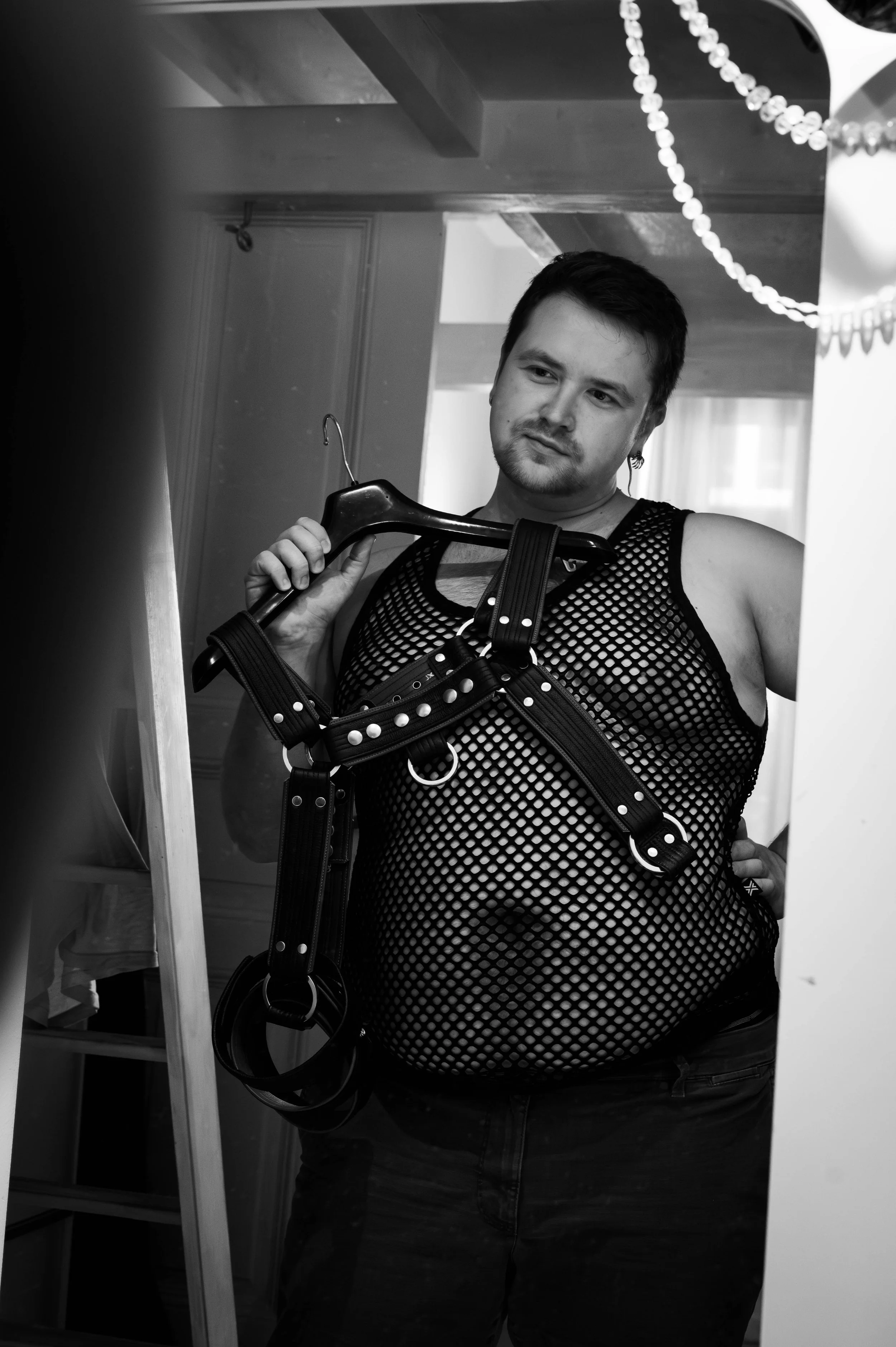
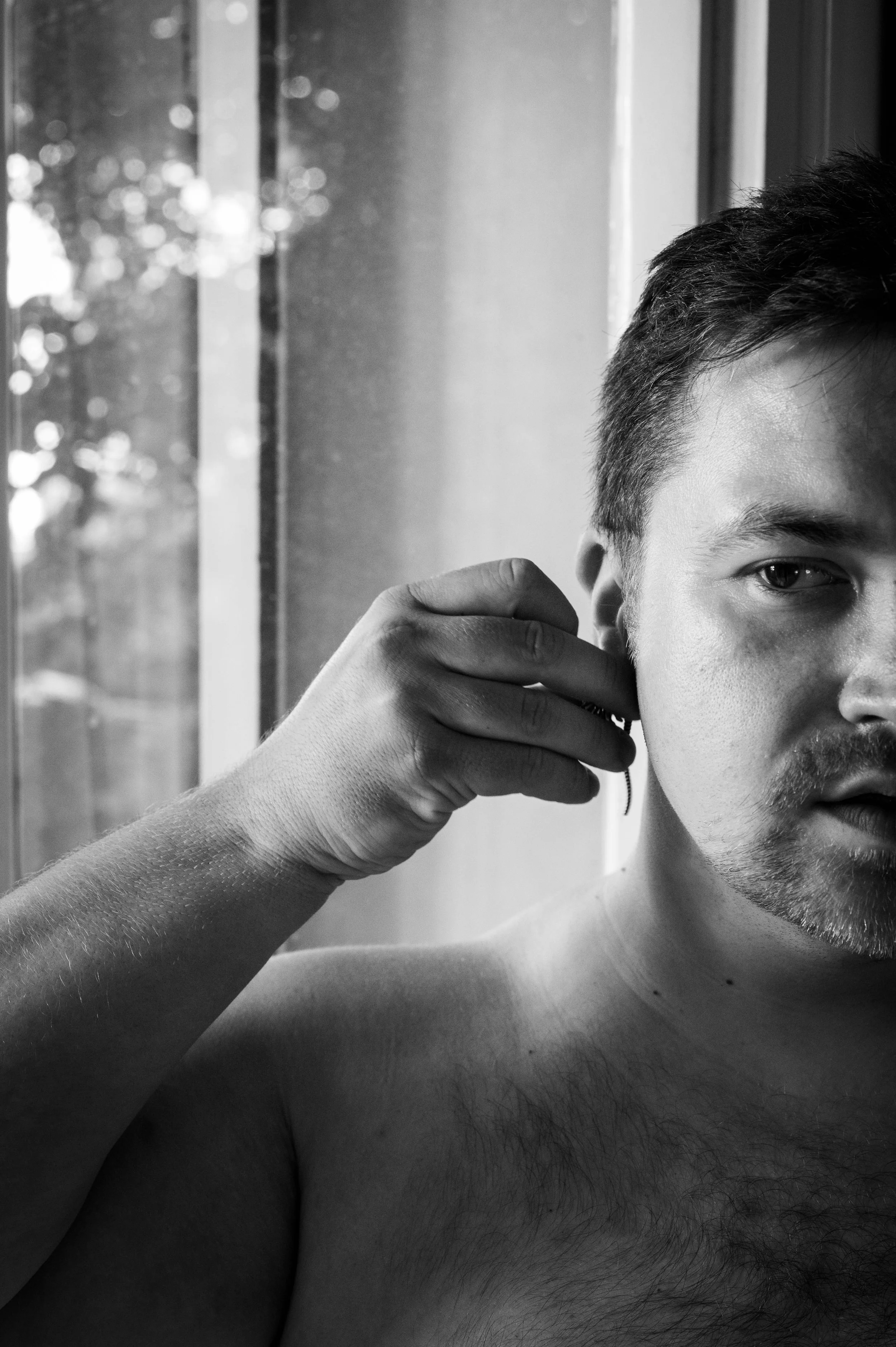

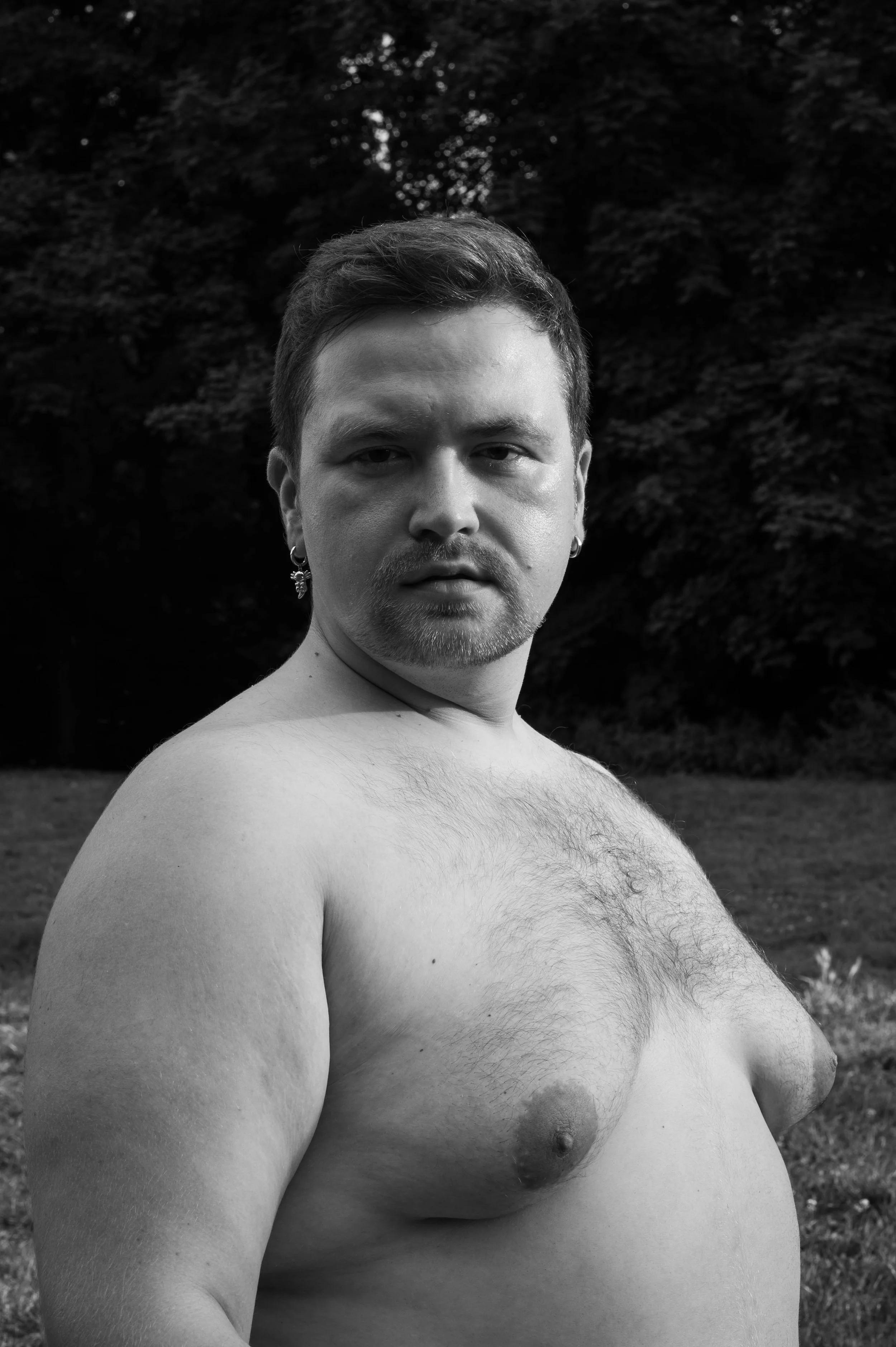
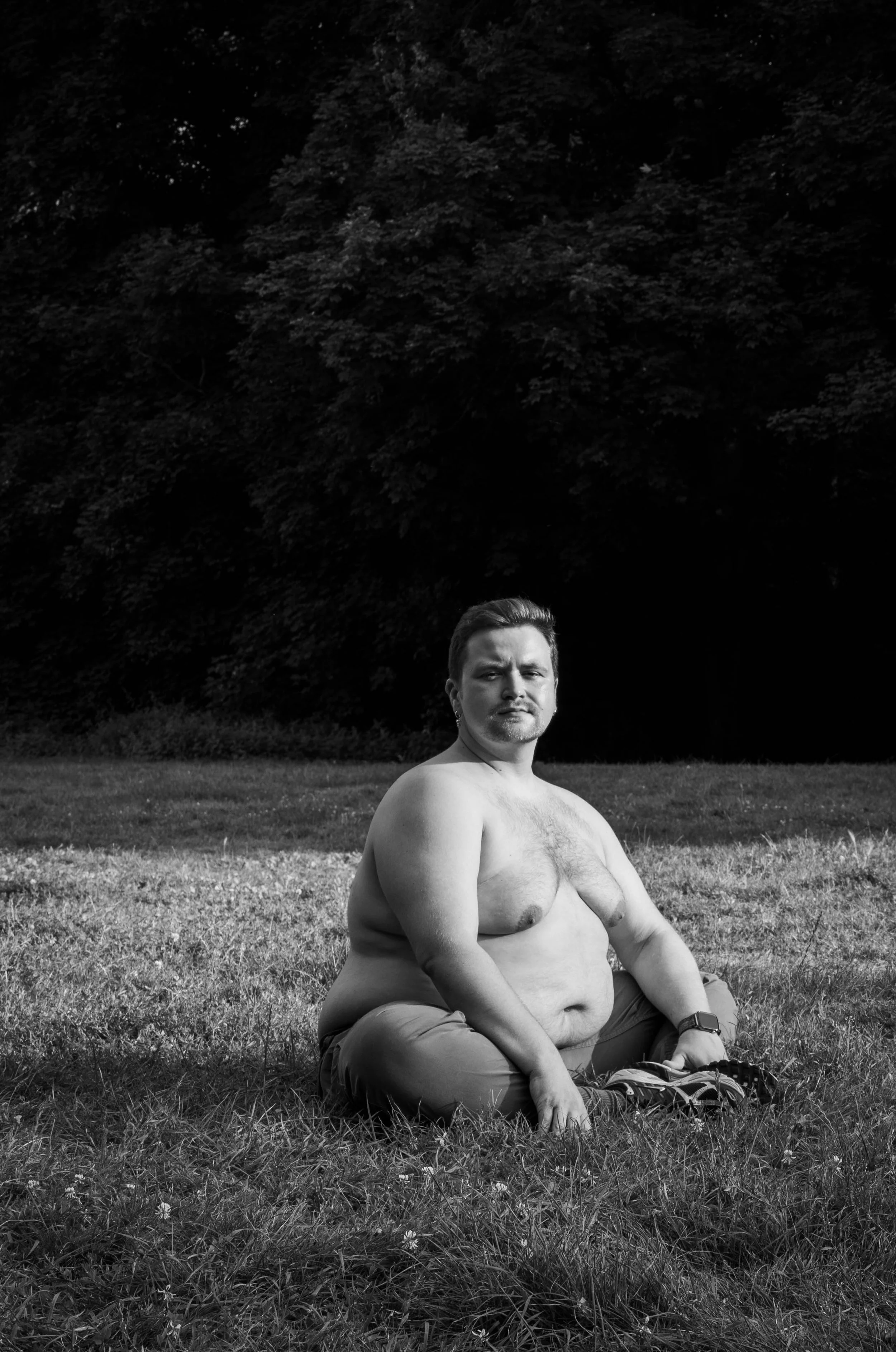
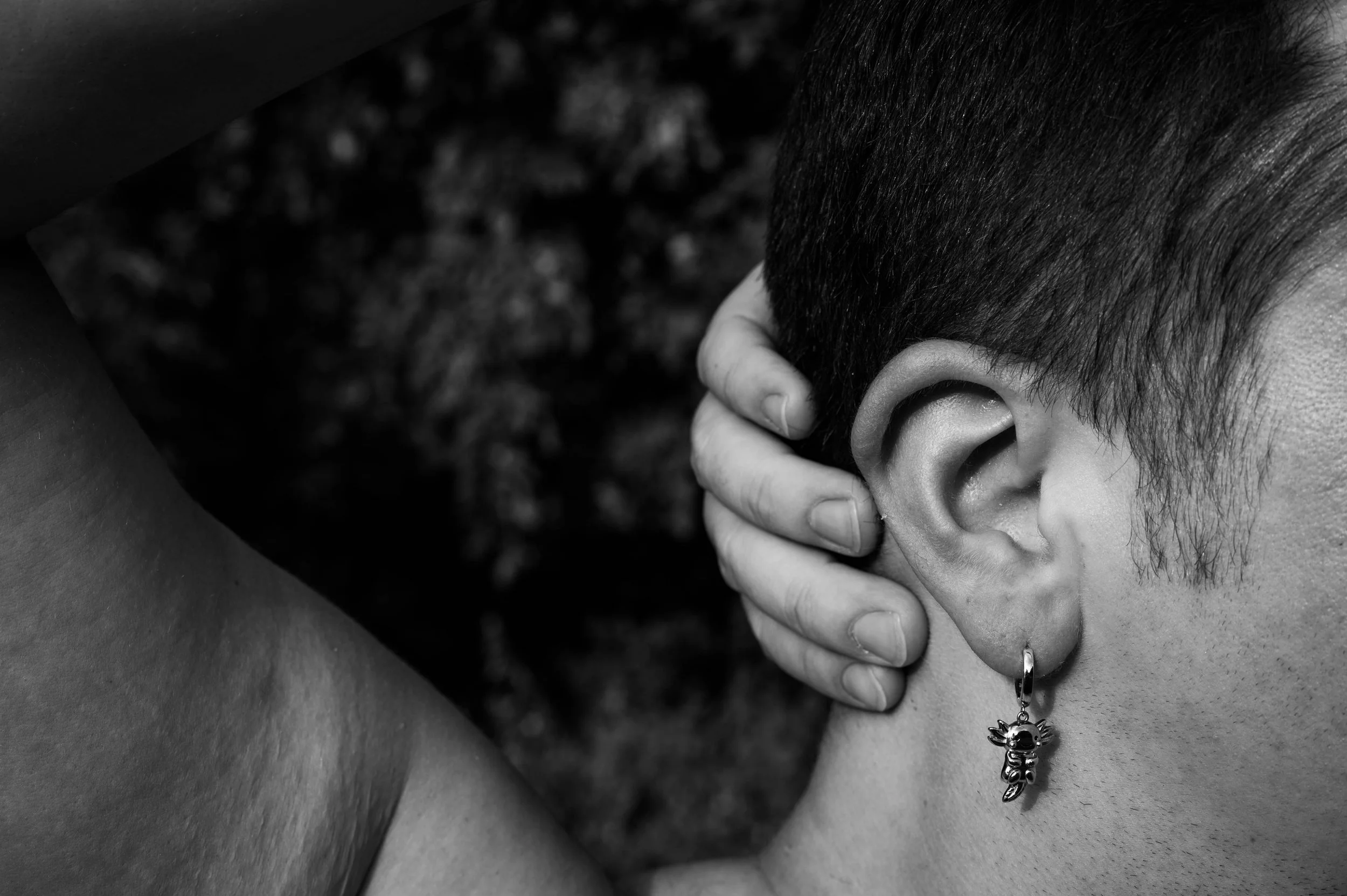
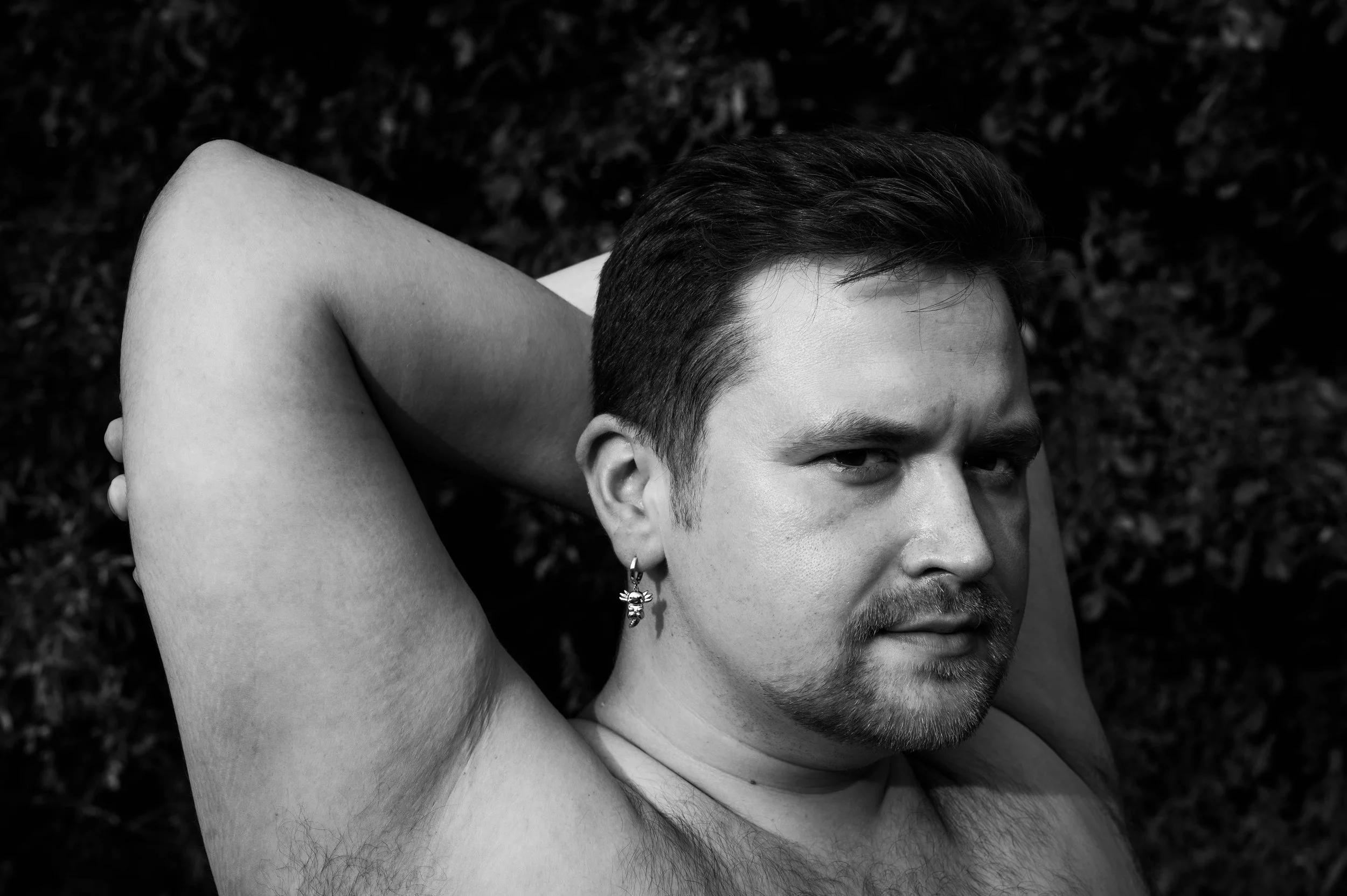
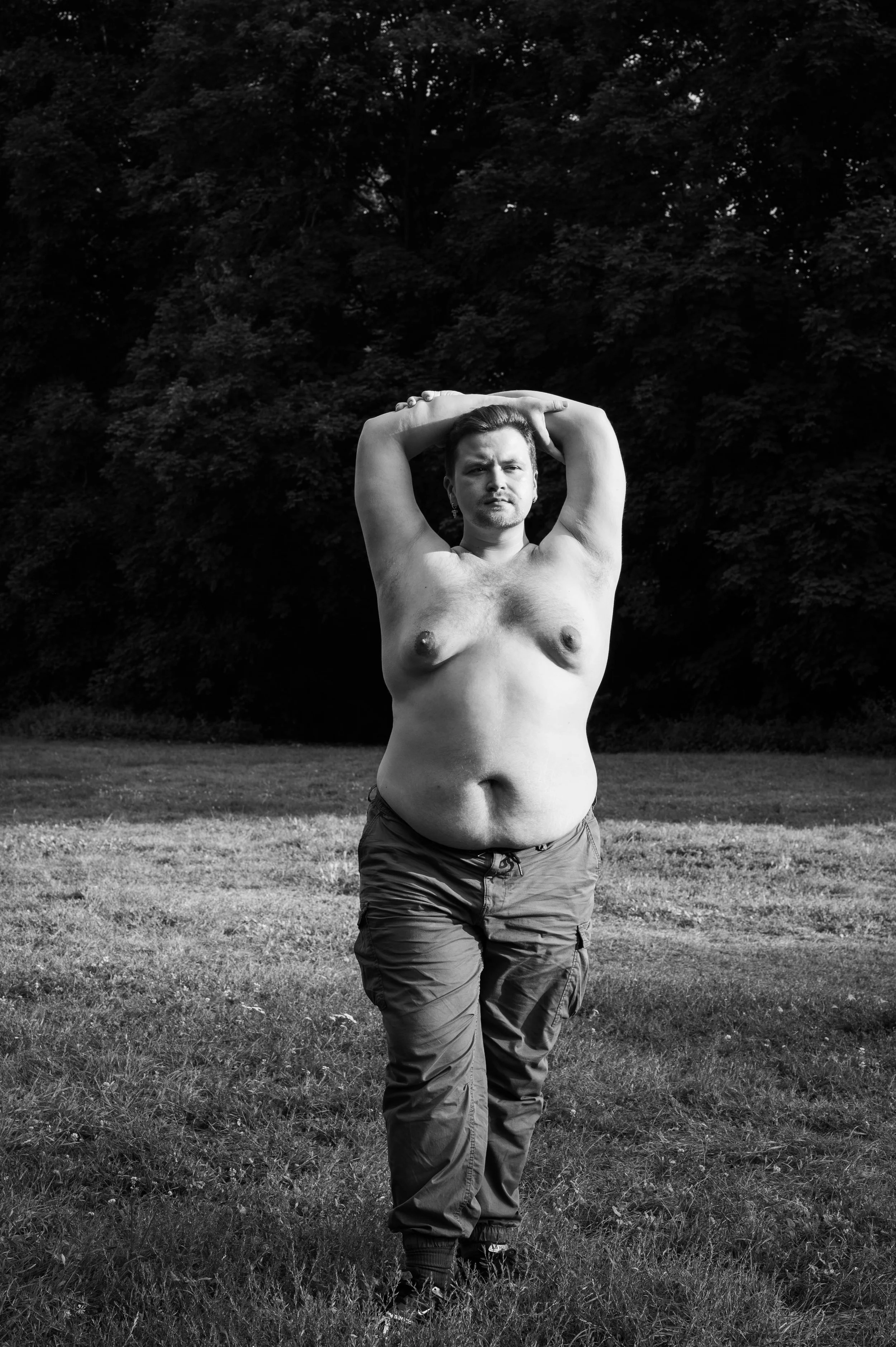
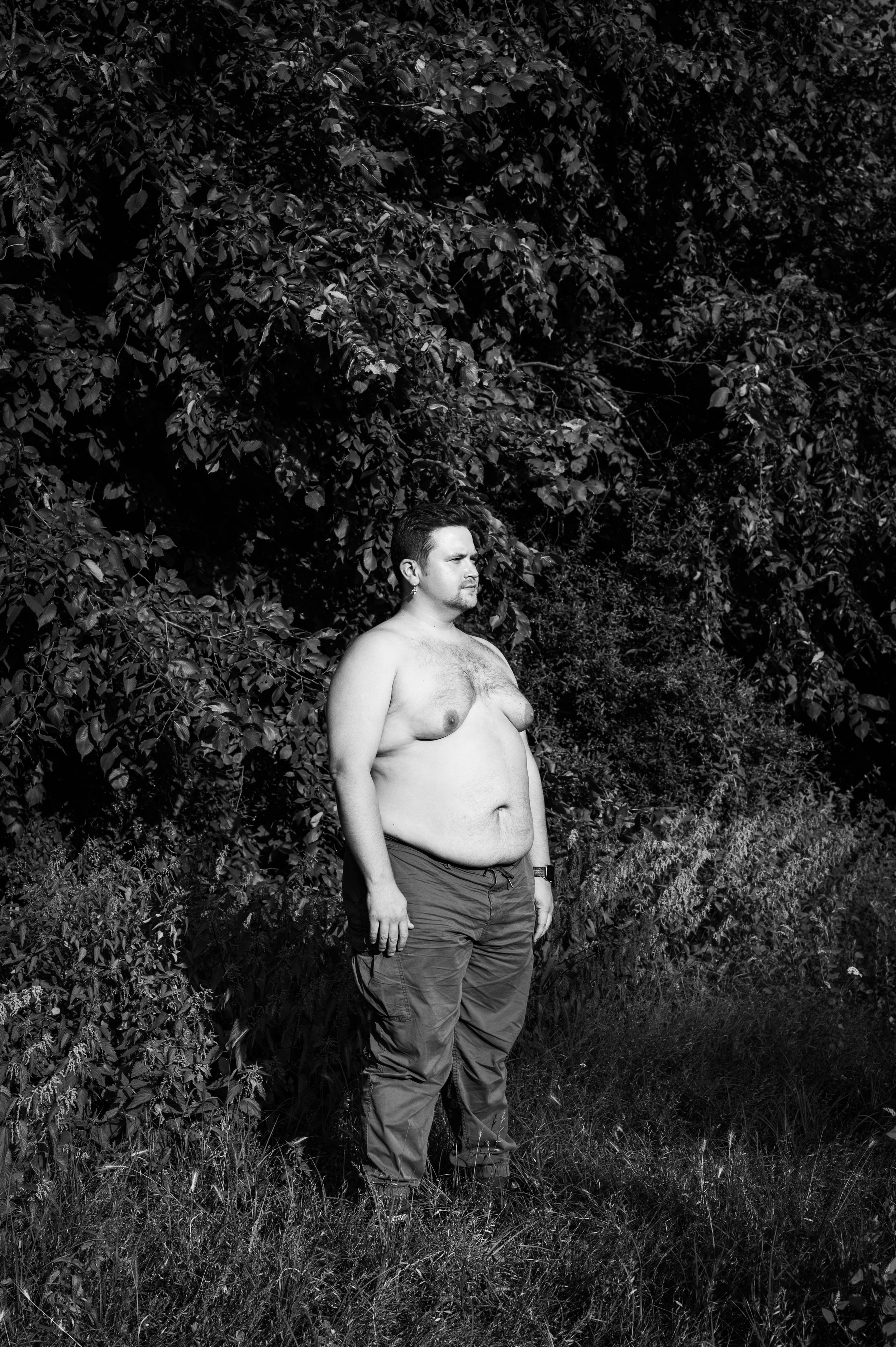
Vladislav (Vladi)
Becoming Seen: Body, Desire, and Belonging in Berlin
Vladislav (Vladi) used to think that his soft body was something to hide. Growing in Moscow, conventional beauty had a narrow script, and people like him were written out. Embarrassment and dissatisfaction wrapped around him early: too much, too visible, has to be covered…
Submerging into Berlin’s vibrant and diverse queer scene changed everything. Vladi found not just acceptance, but desire: people who loved him, even celebrated his chubbiness. While getting unseen before attention felt so great, sometimes it was too much, reaching the point of fetishisation. “I looked like mortadella in his shirt,” Vladi says, recalling a moment both absurd and deeply alienating. Empowerment and objectification came hand in hand.
Still, living in Berlin and seeing himself through other queer eyes completely transformed his self vision. Where once there was withdrawal, now there’s dance. Where once there was hiding, now there’s presence. The city didn’t erase insecurity, but it made space for joy, contradiction, and self-discovery.
“Being loved for who you are can change everything,” he says. And maybe that’s what this is: a story not just of love, but of learning to live inside your own body. Not perfectly. But proudly.
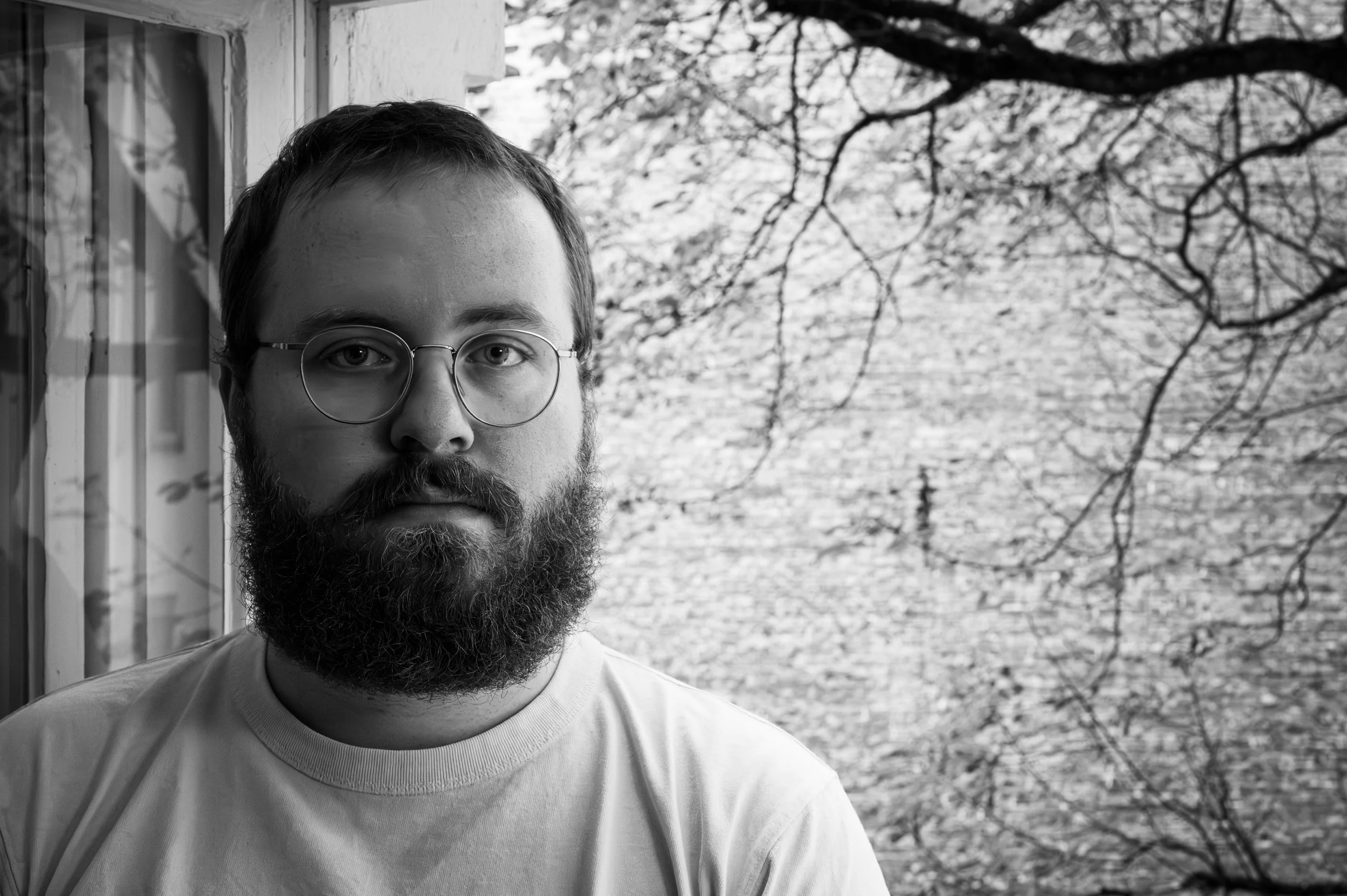
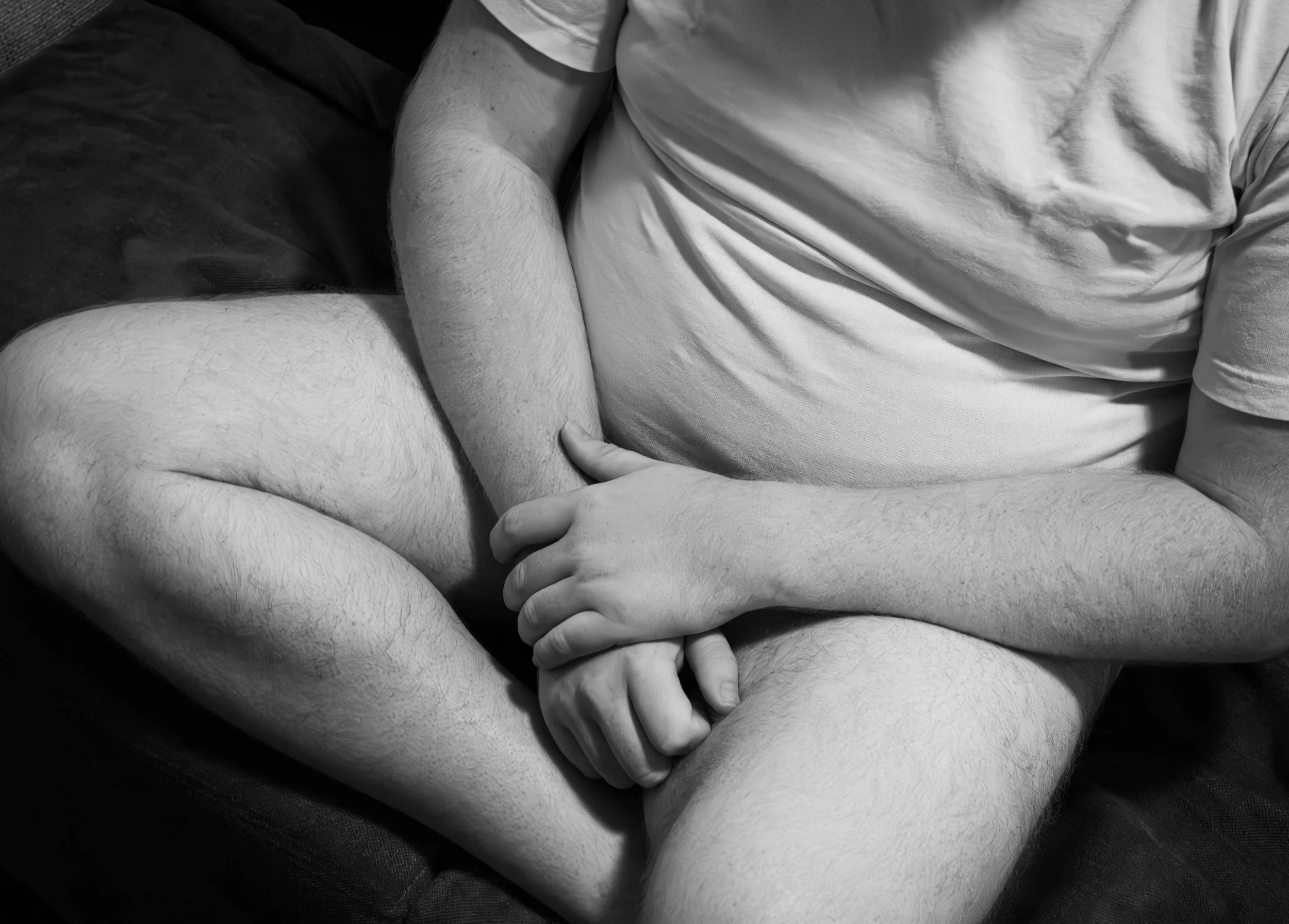
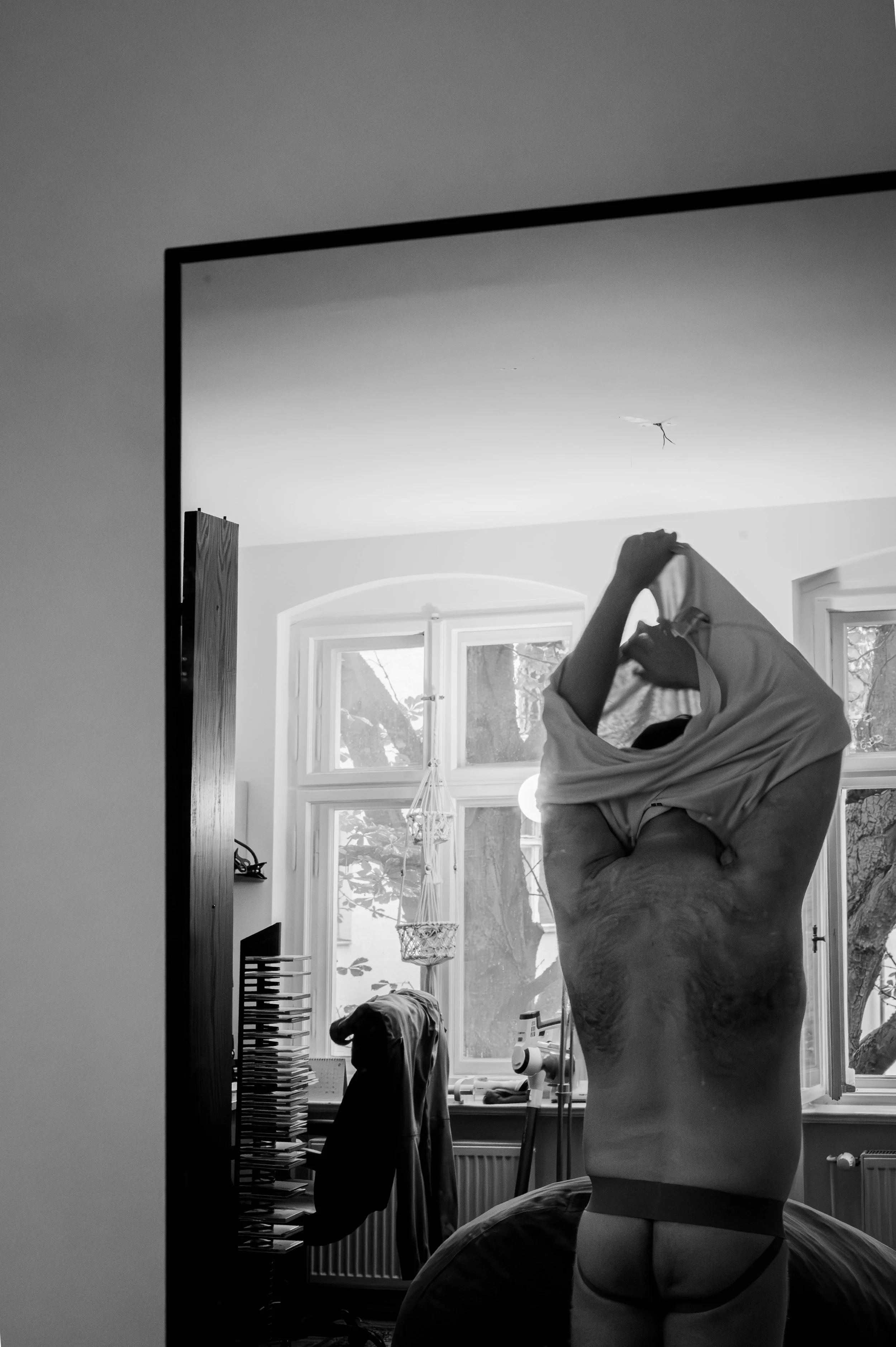
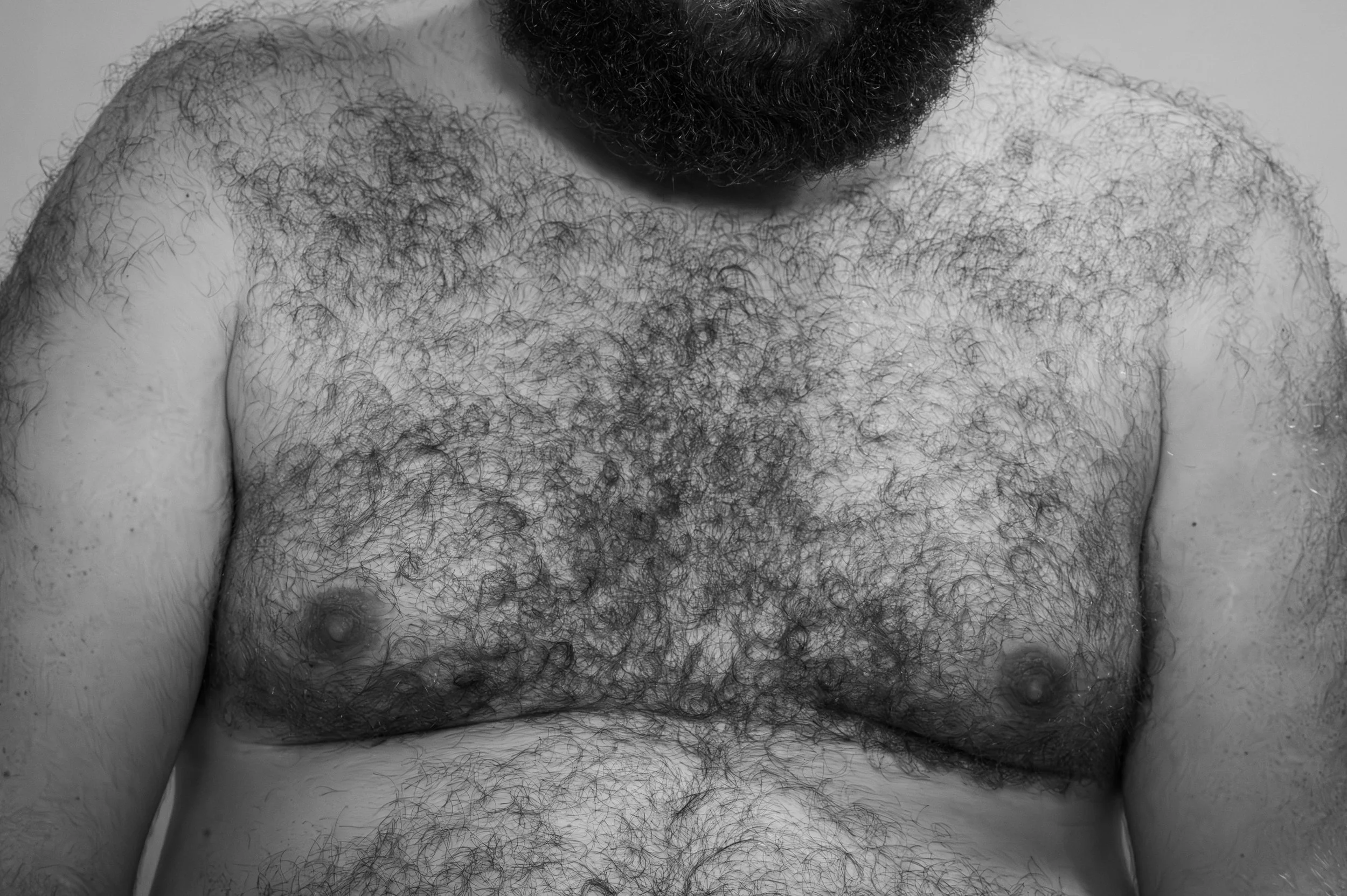
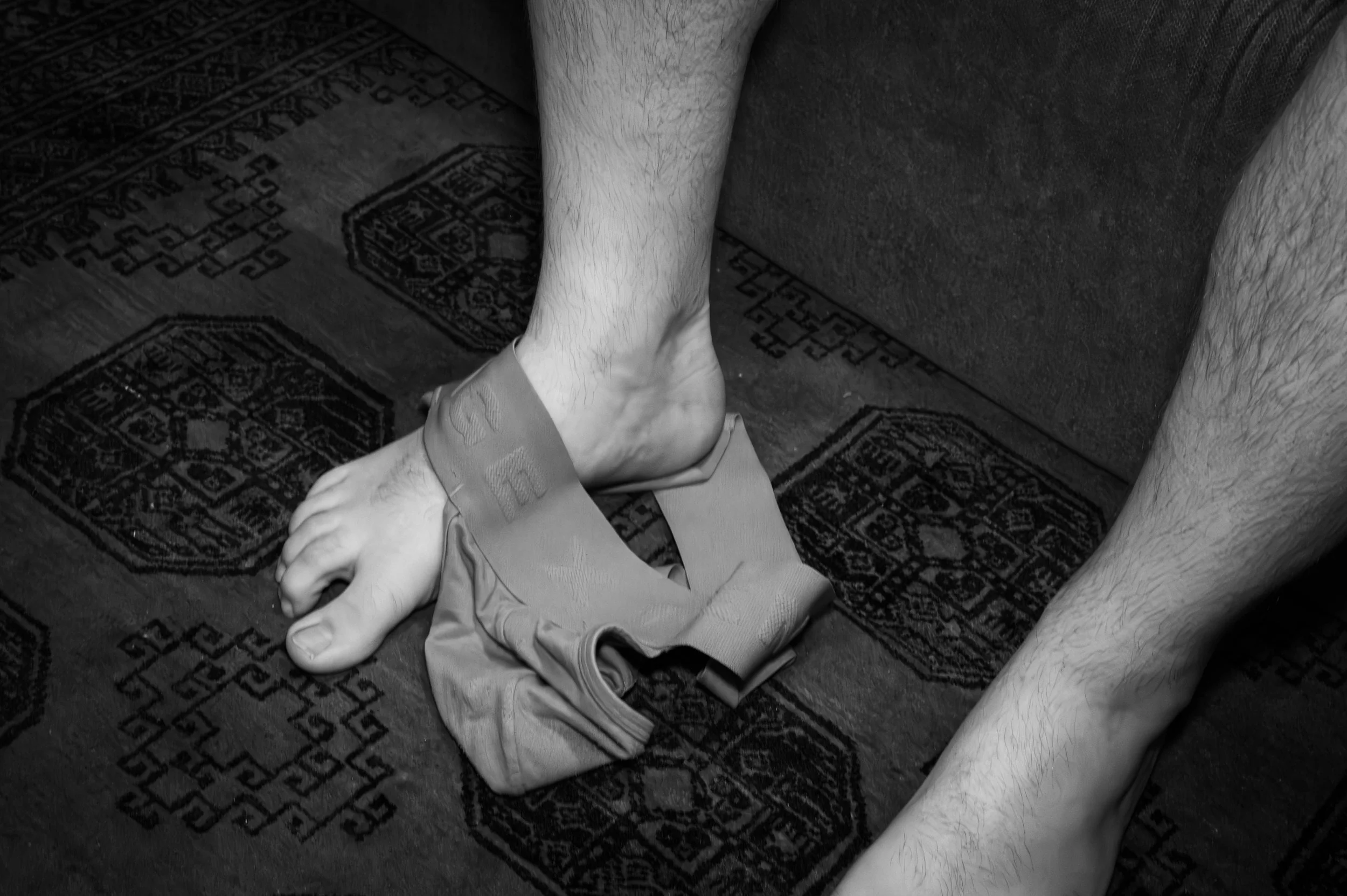
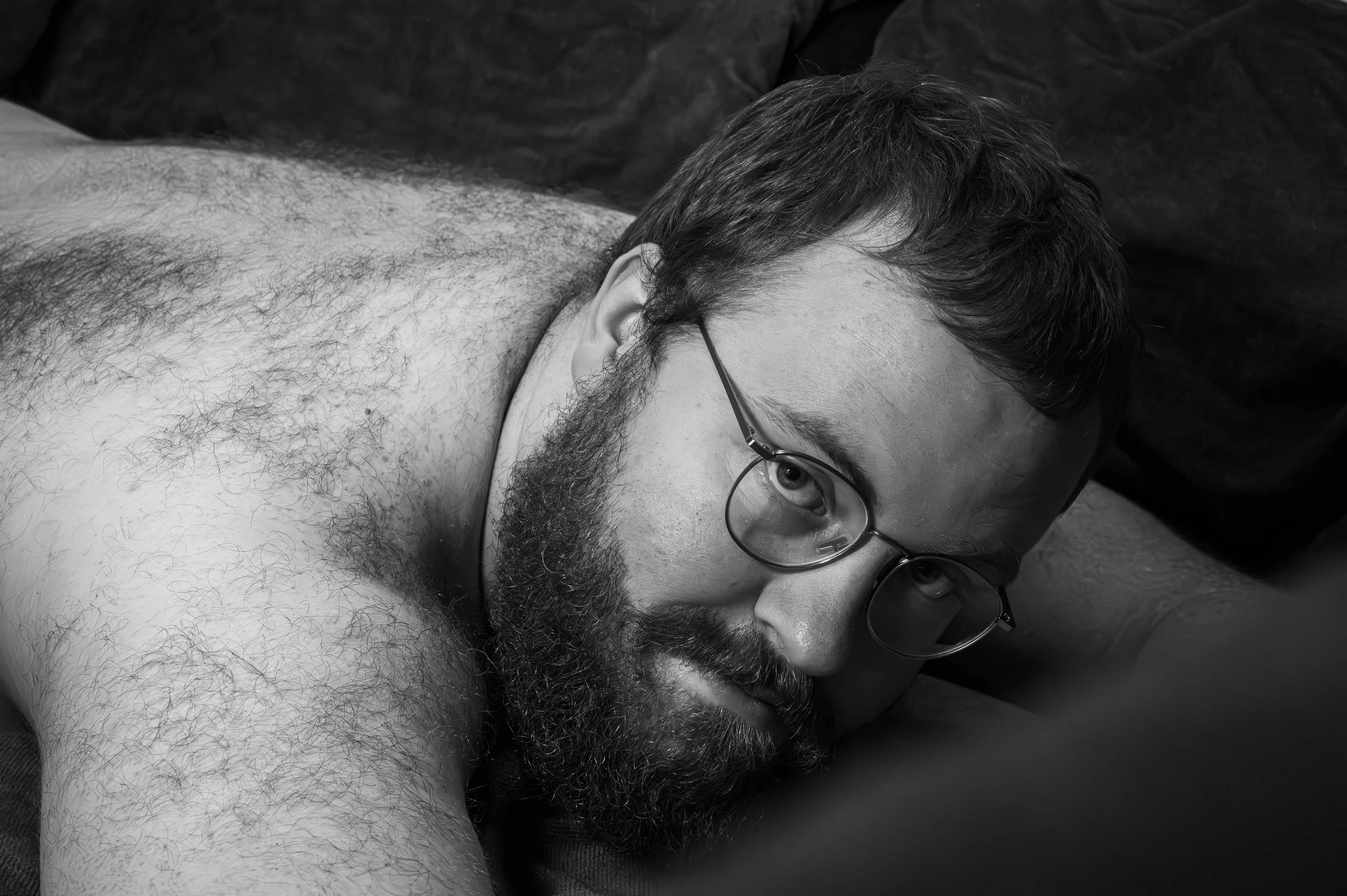

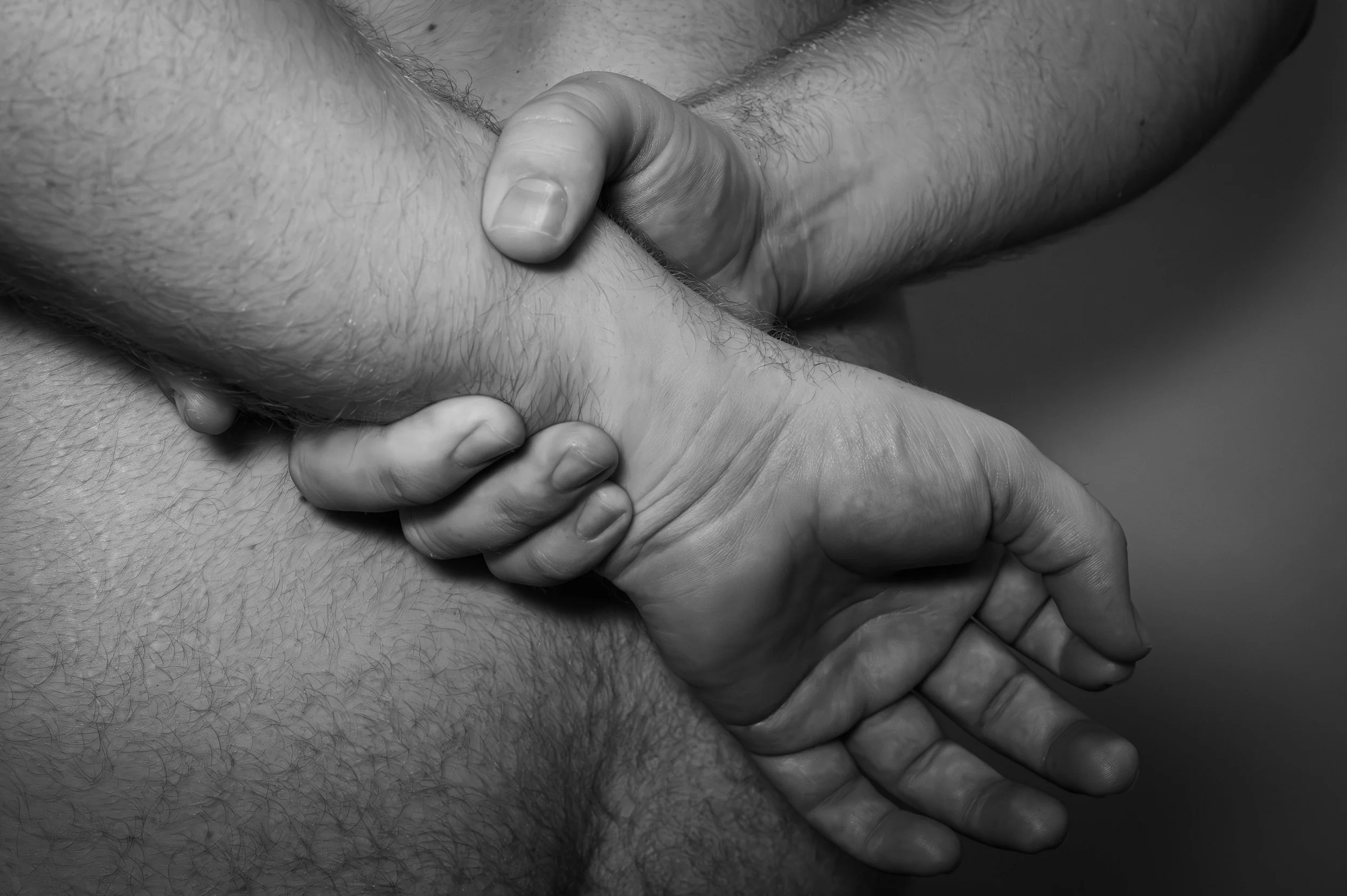
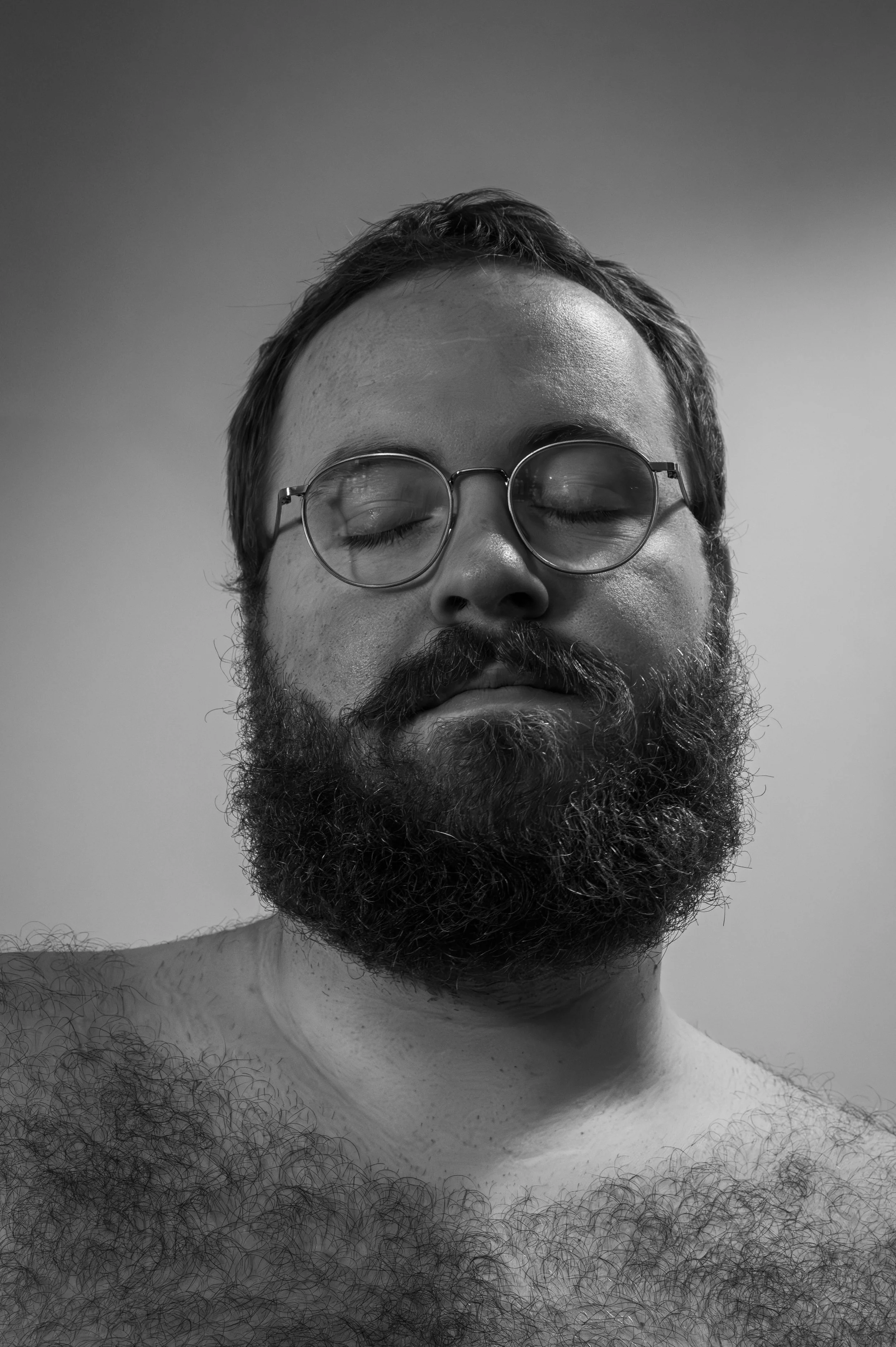
Rilley
From Nowhere to Somewhere: Rilley on Body, Desire, and Belonging
Rilley grew up in Indianapolis a normal chubby gay child, “fagotty” kid as he says. At first, his size felt like something to take pride in — being “the biggest in the class” seemed exciting. But this shifted in adolescence, especially after joining Grindr at fifteen, where rejection based on his body made him newly aware of stigma and desirability politics within queer spaces.
His family background added another layer. With deeply religious grandparents from the American South and parents burned out by church culture, he was raised in a socially conservative environment. As a child, his parents were not openly supportive of queer identities — his mother once cried after suspecting he might be gay — but over time, their stance changed. By the time Rilley came out after college, they had become accepting and supportive.
Living in Indianapolis, with its small and closeted gay scene, desire often felt isolating, even pathologized — as though attraction to him was a “one-off” or a fetish. That changed when he moved abroad. In Australia, the sheer size of the gay community allowed him, for the first time, to date openly and be treated with respect. Later in Berlin, he experienced queer life without fear or compromise — able to take up space, explore desire, and see himself reflected in a broader spectrum of identities.
Rilley’s journey maps a shift from childhood pride, to shame and rejection, and finally to recognition and belonging. His story reveals not just personal transformation, but the way geography, family, and community shape how queer bodies are seen and celebrated.
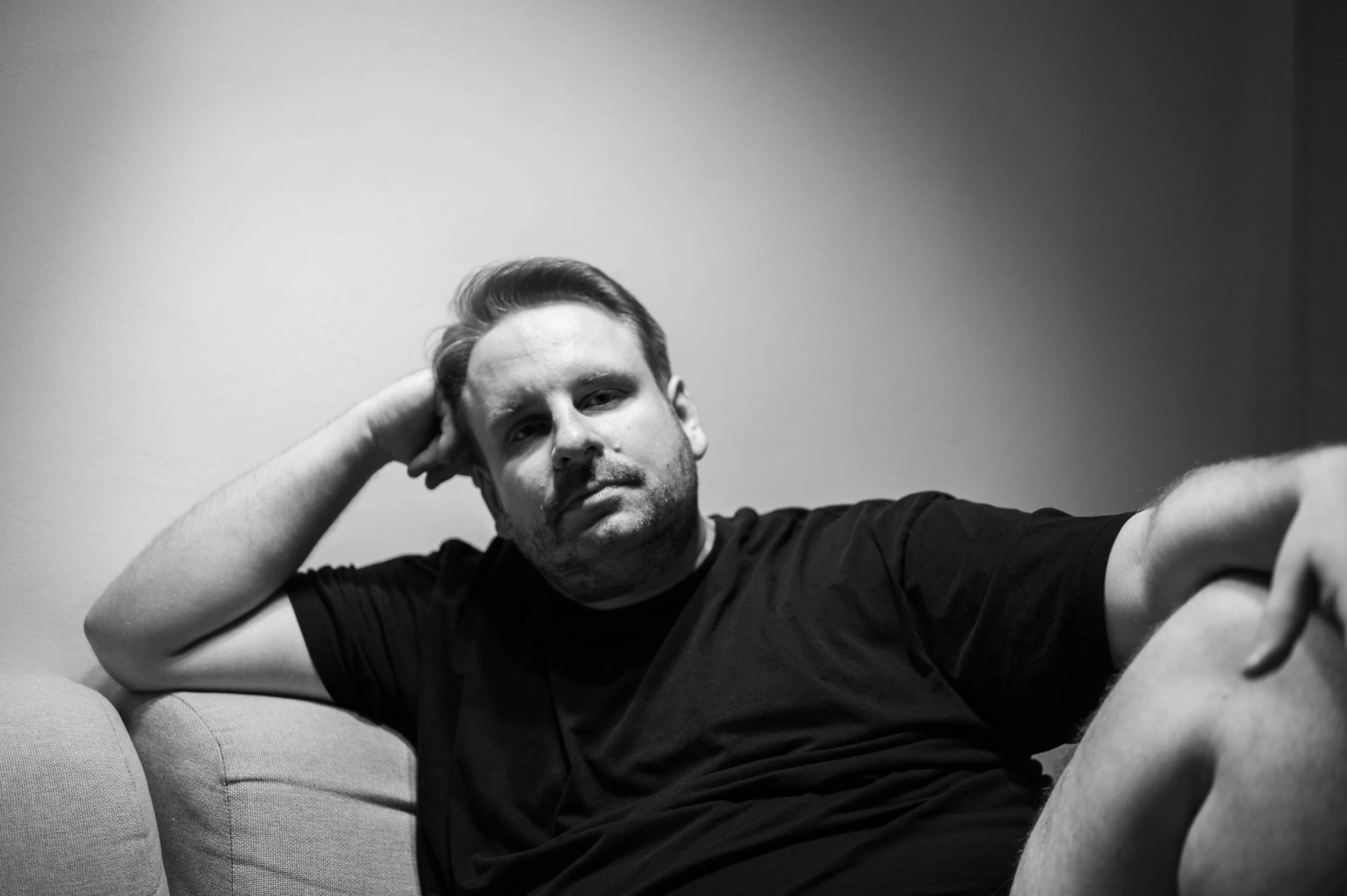
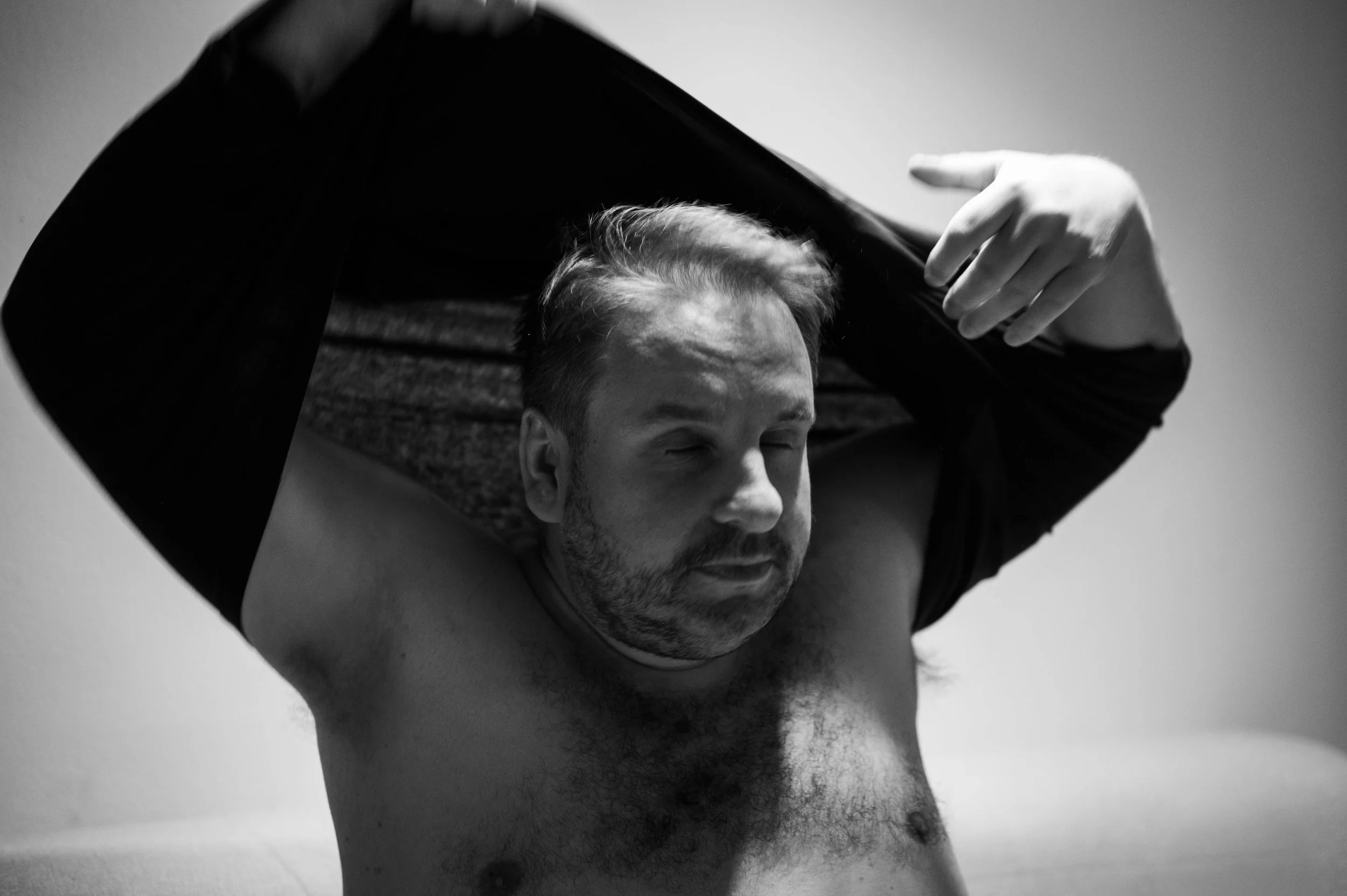
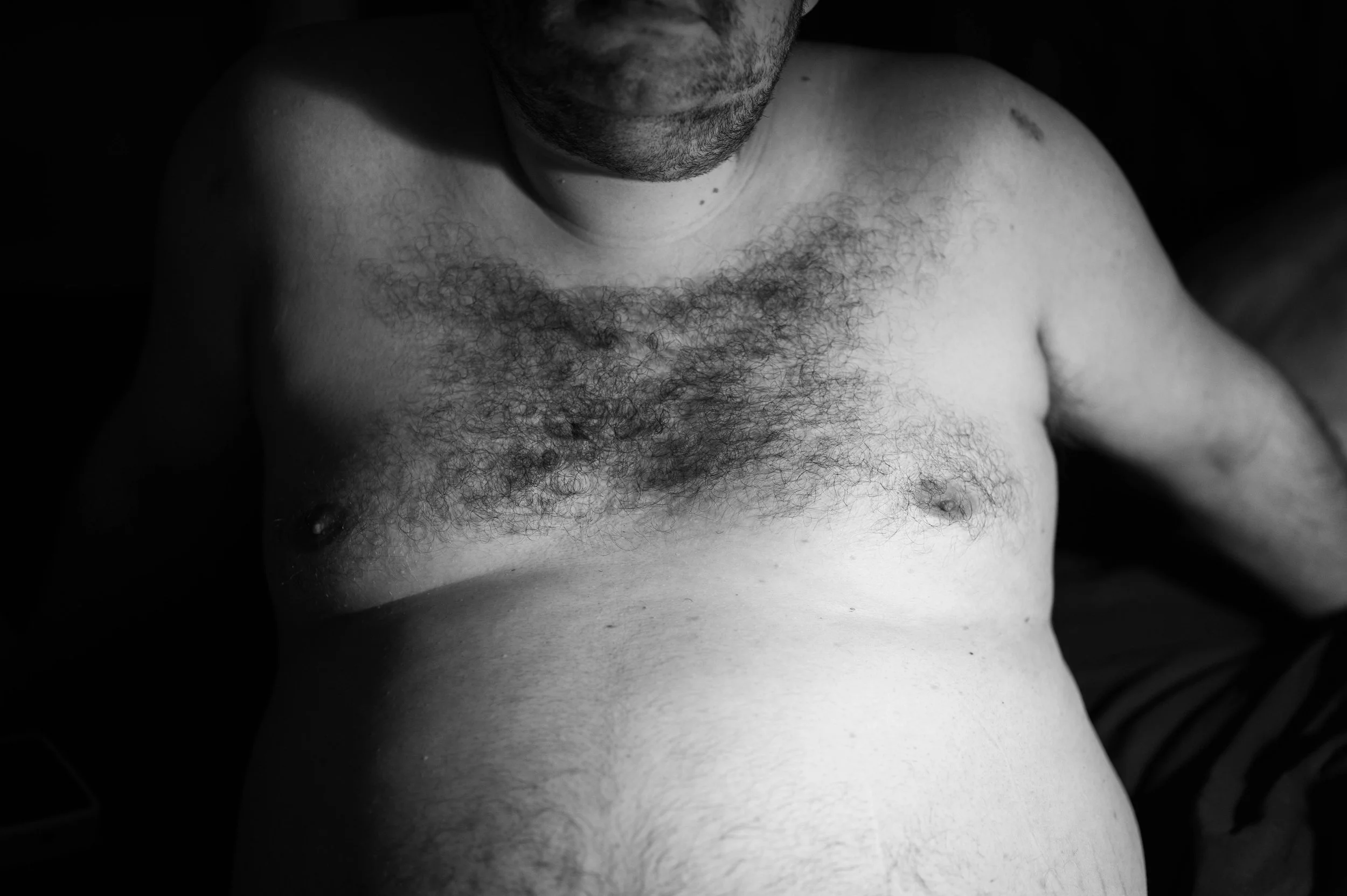
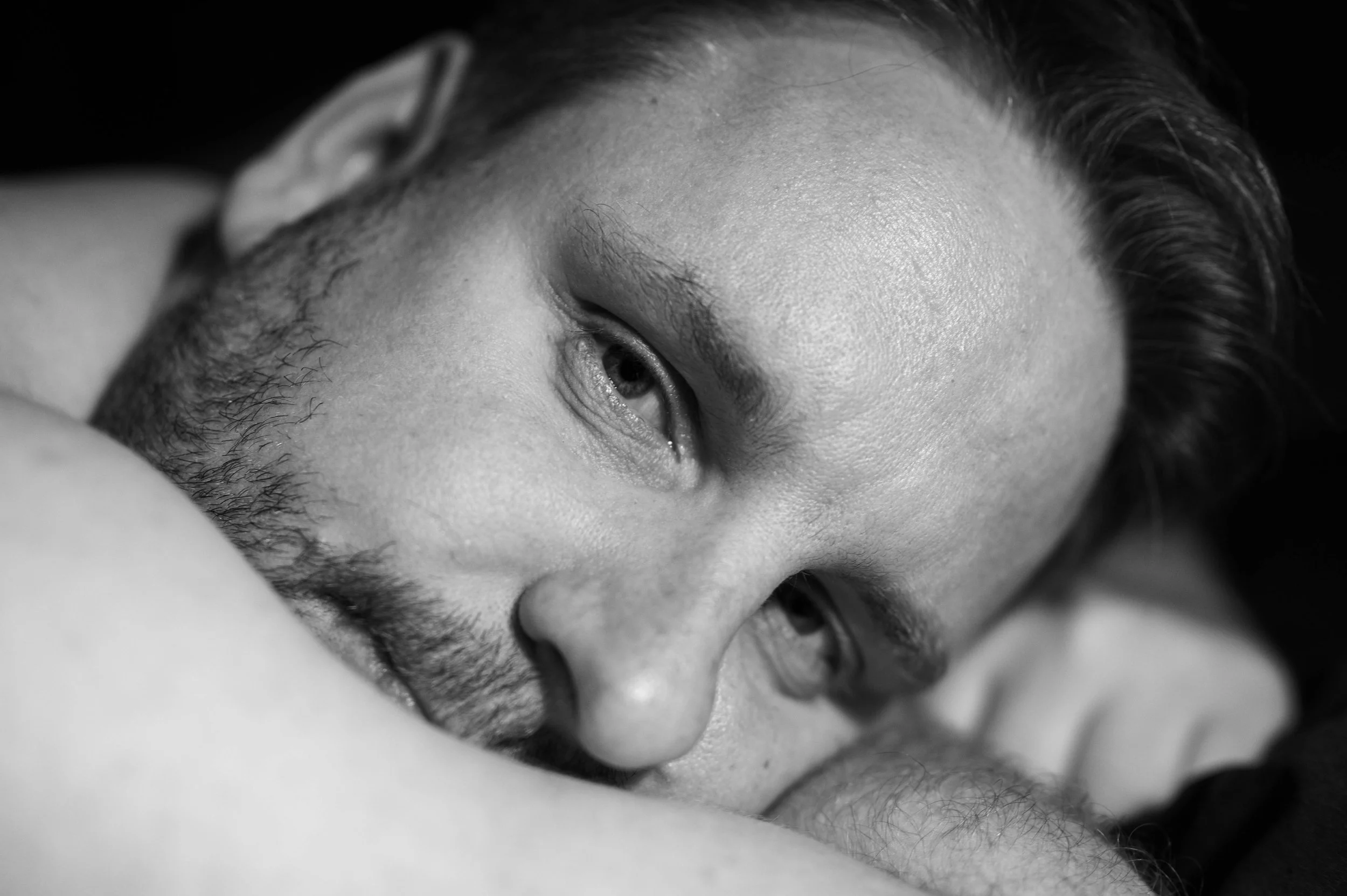
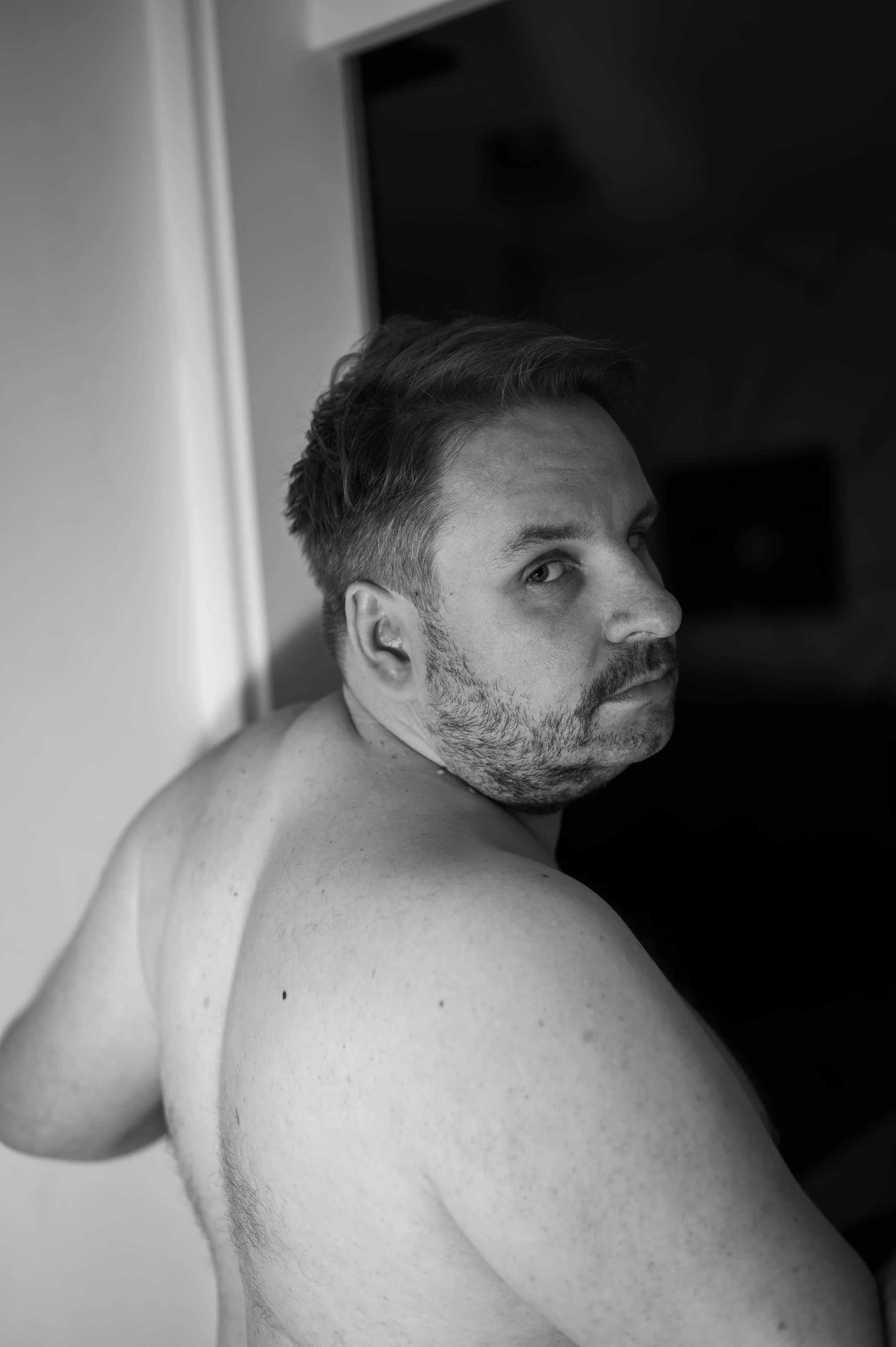
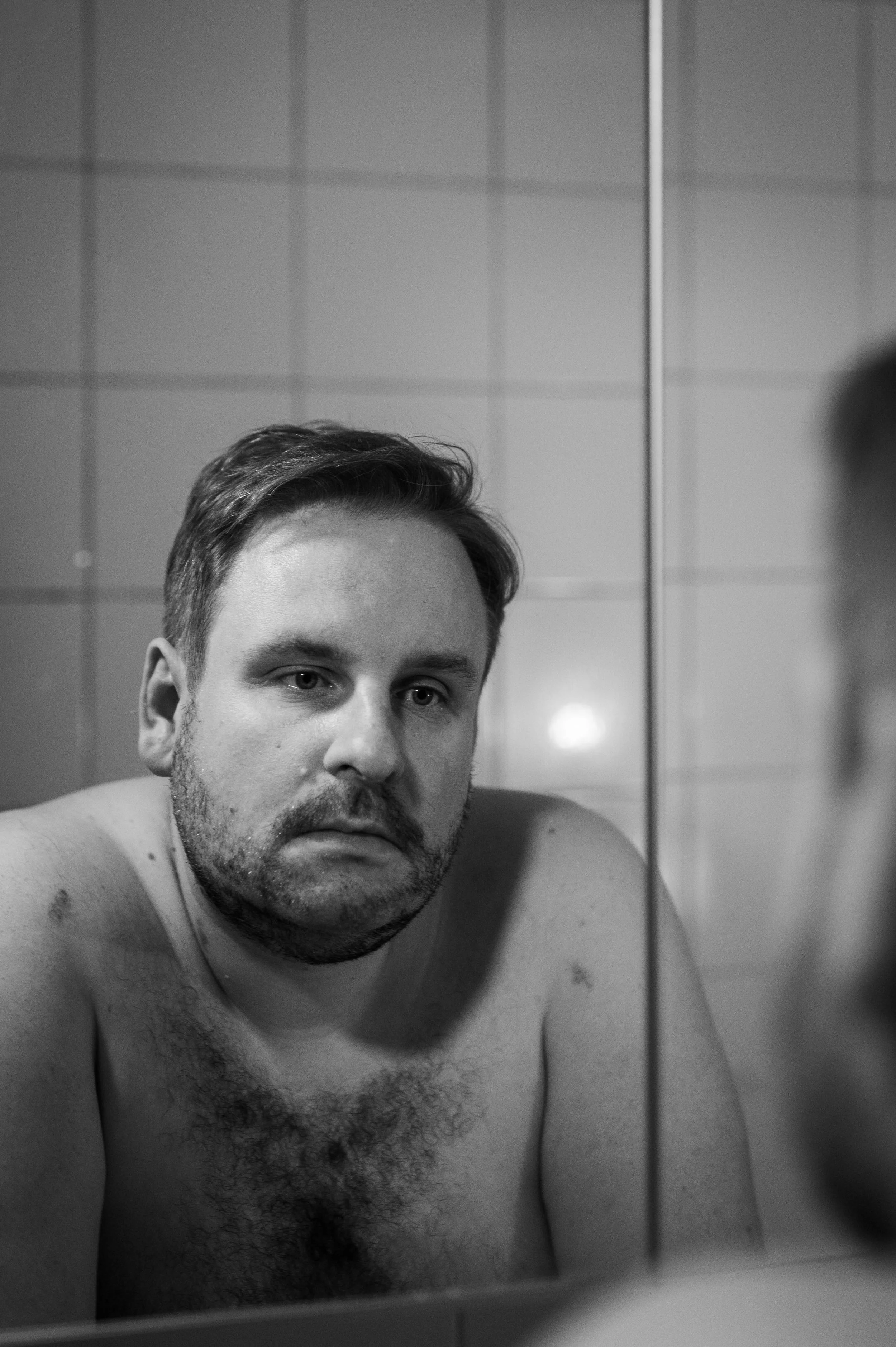
T.
T., Without Apology
For personal reasons, this person chose to stay anonymous.
T. never grew up ashamed of his body. Even as a teenager, he carried no desire to hide or erase it. Unlike many queer narratives marked by bullying or rejection, his story took a different path. His body was never an insult thrown at him, never a reason for ridicule. Instead, it was simply his — something he dressed to look good, not to conceal.
The roundness of T.’s form has roots in childhood. Food became a way of creating safety within a household that felt unstable. Though his family was well-off, the atmosphere was chaotic, and eating was something he could control. Over time, this response to stress shaped his body, but never his sense of worth.
As an adult, T. resists labels that others place on him. To the outside eye, he might be read as part of the “bear” community, but he rejects the term. Not because of the word itself — he even admits to finding bears cute — but because of what the label represents to him: insecurity, self-loathing, and a culture that doesn’t align with his own values. For T., being gay is not a lifestyle or a cliché; it is not nightlife, RuPaul’s Drag Race, or festivals. His queerness is quiet, self-defined, and unbound by community expectations. He insists on living it his way.
Intimacy, for T., is rooted in consistency and care. His relationships, even when centered around sex, are never disposable. He seeks trust, consistency and connection — the small rituals that create closeness. What he rejects is being reduced to a type, a fetish, or a body shape. Attraction is welcome, but only when paired with genuine recognition of who he is as a person.
T.’s upbringing offered him a different foundation than many. Growing up in Düsseldorf, in a liberal environment and surrounded by the theater world, he experimented freely. Sexuality was never hidden, and his father’s acceptance gave him a rare sense of affirmation often absent in queer stories. His relationship with his mother was more difficult, but still, his identity never felt like a source of crisis. Unlike the familiar arc of trauma-to-acceptance that defines so many queer testimonies, T.’s narrative resists that script. His body and his queerness coexist without shame.
Now, as he grows older, T. notices how his role shifts in dynamics with younger partners. He is not a father figure, but there is an element of reassurance, of providing safety and confirmation — the kind that many seek from older men. Still, he refuses to let this dynamic be reduced to stereotype.
T.’s story is one of refusal and redefinition: a refusal of labels that flatten, and a redefinition of what it means to live queer and chubby without apology. His body is not a burden, nor a banner of pride. It simply is — loved, lived in, and unashamed.
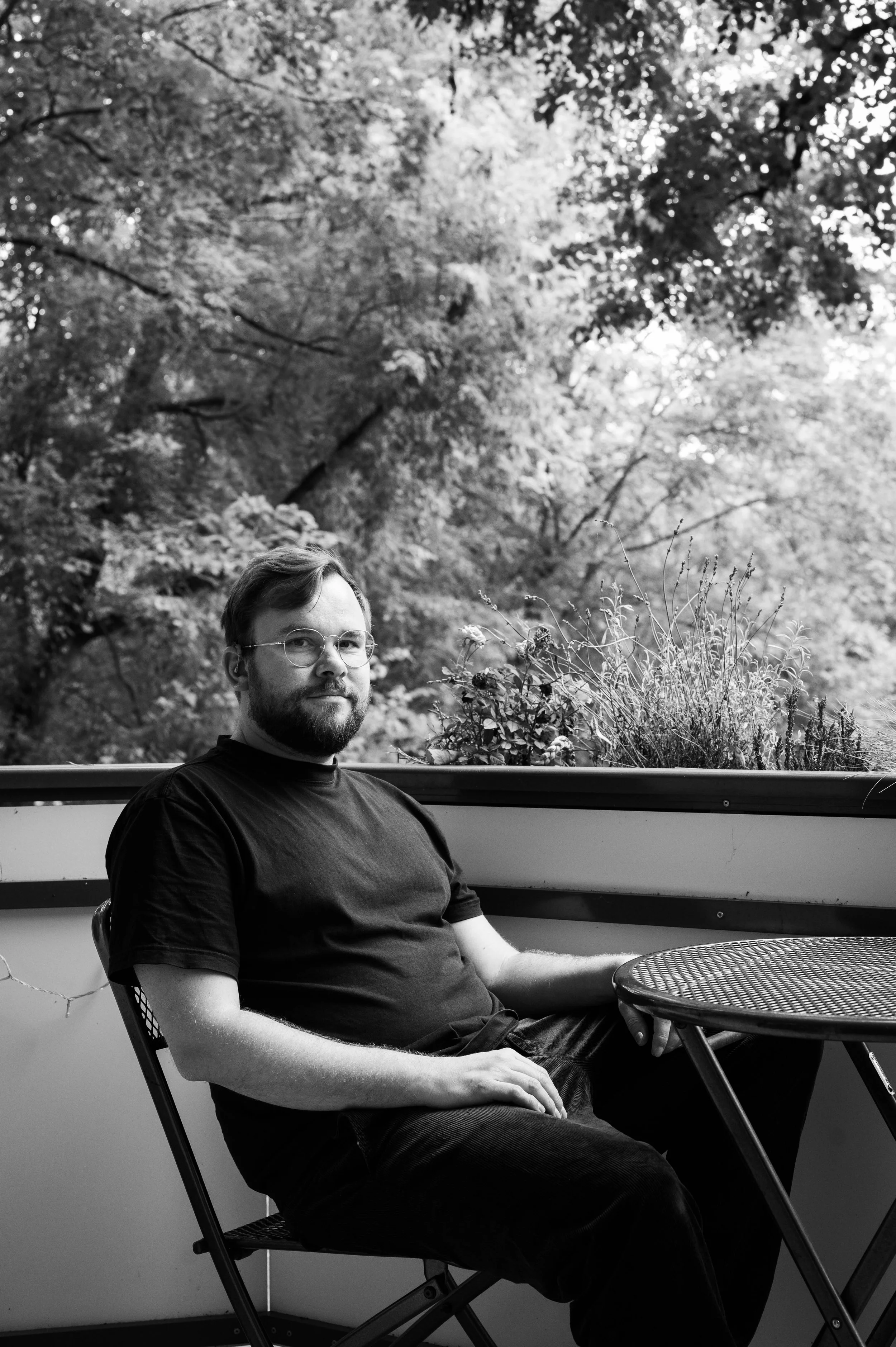
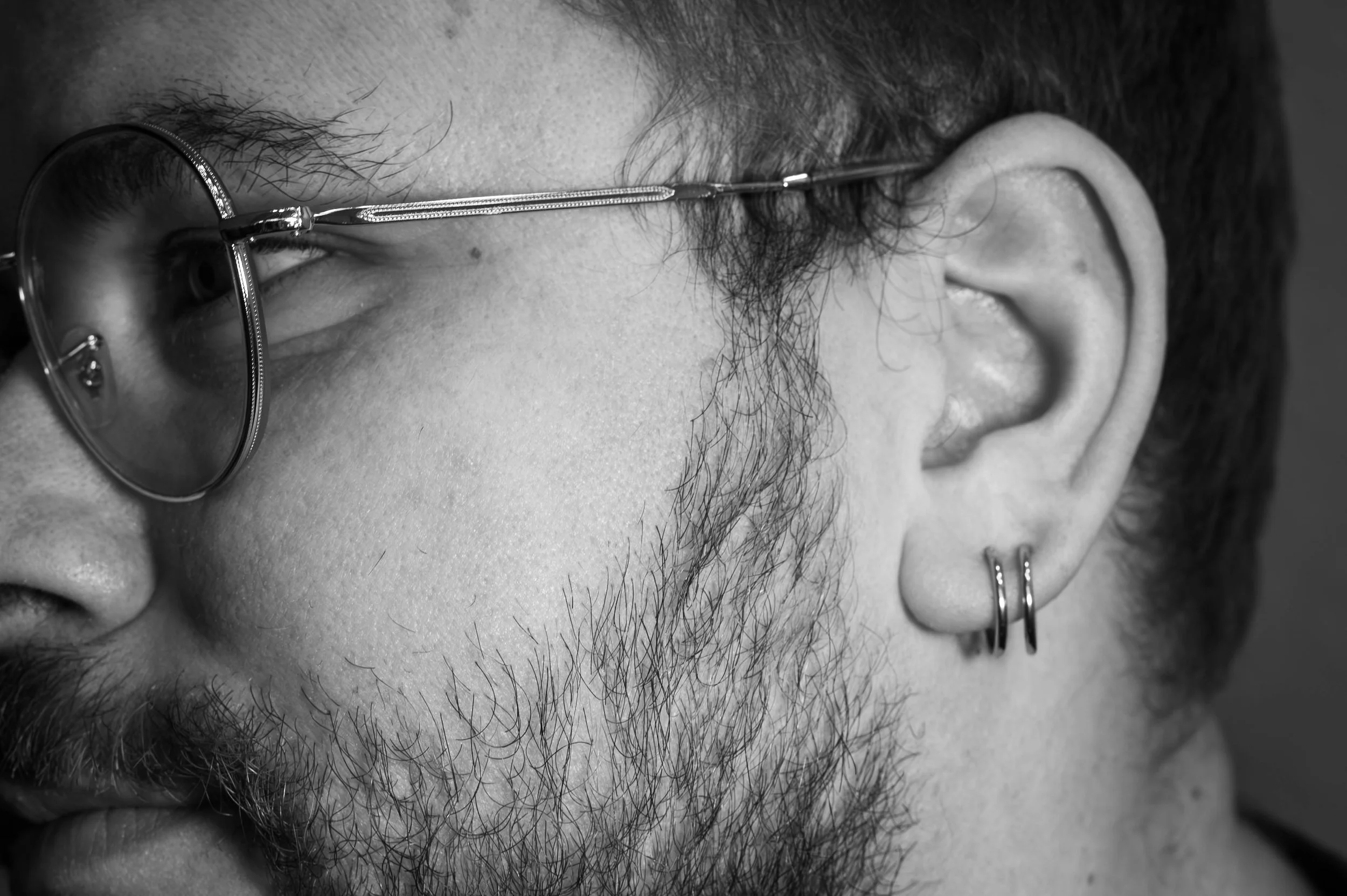
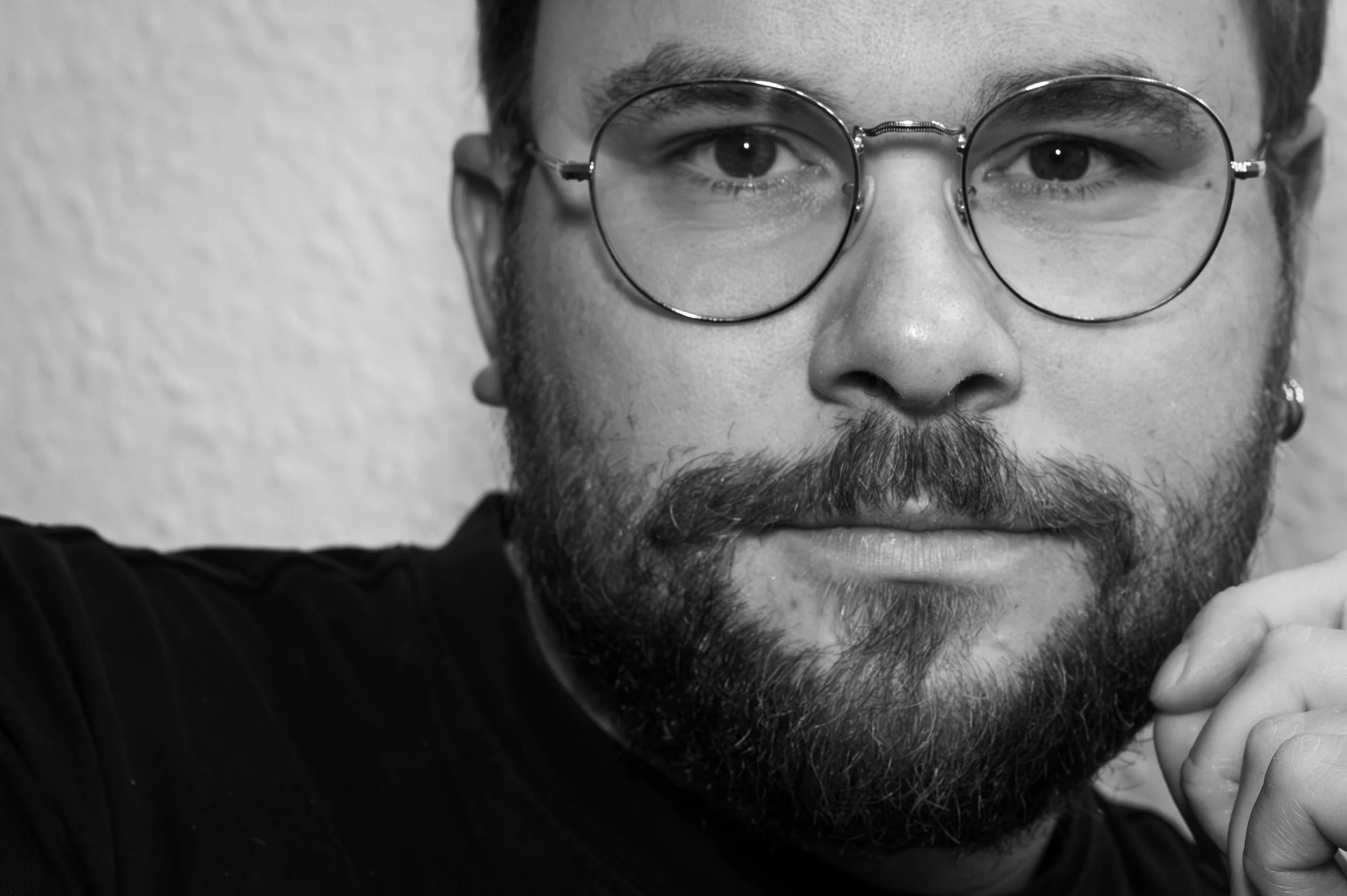
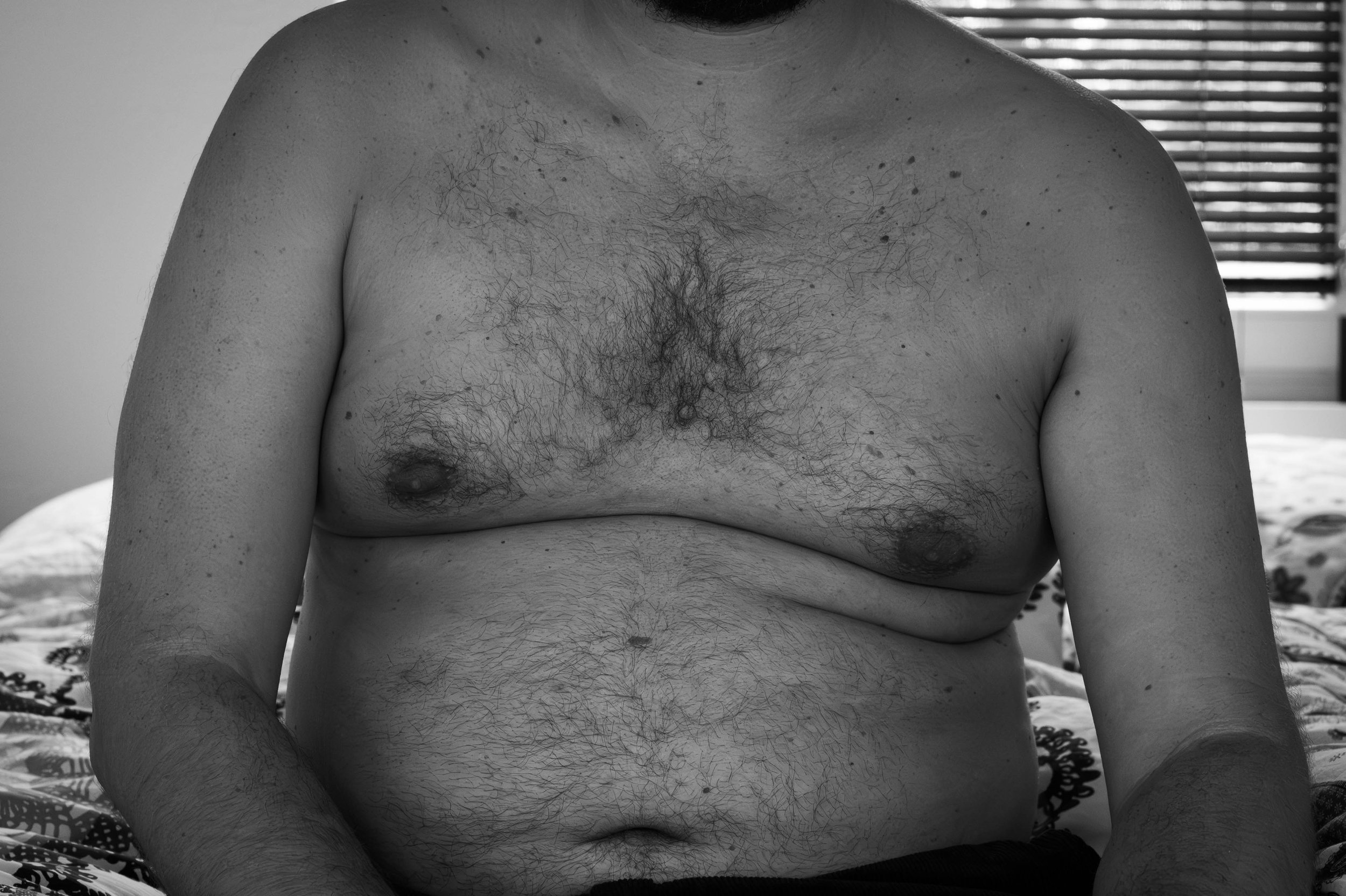
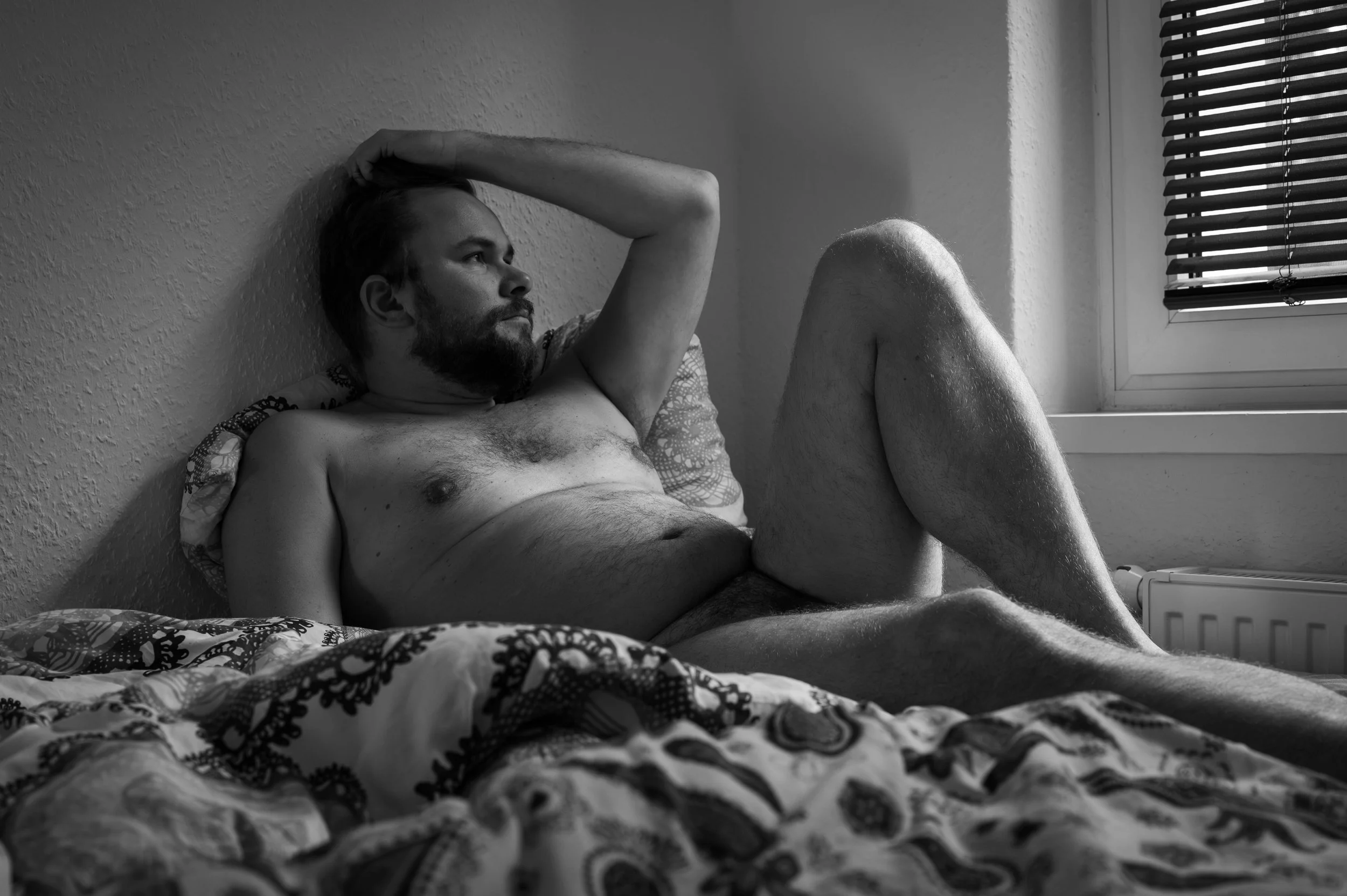
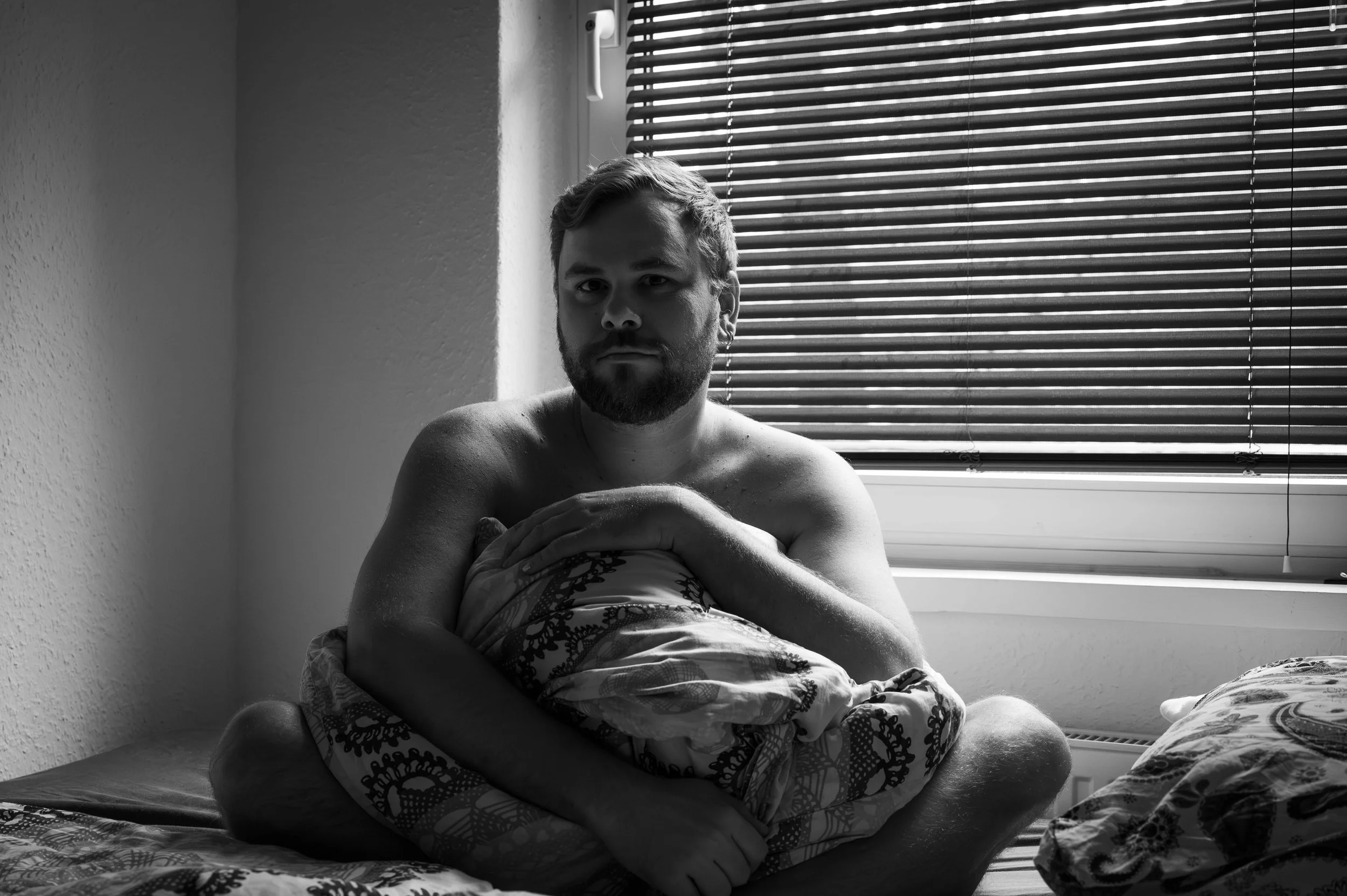
Markus
Markus, Between Worlds
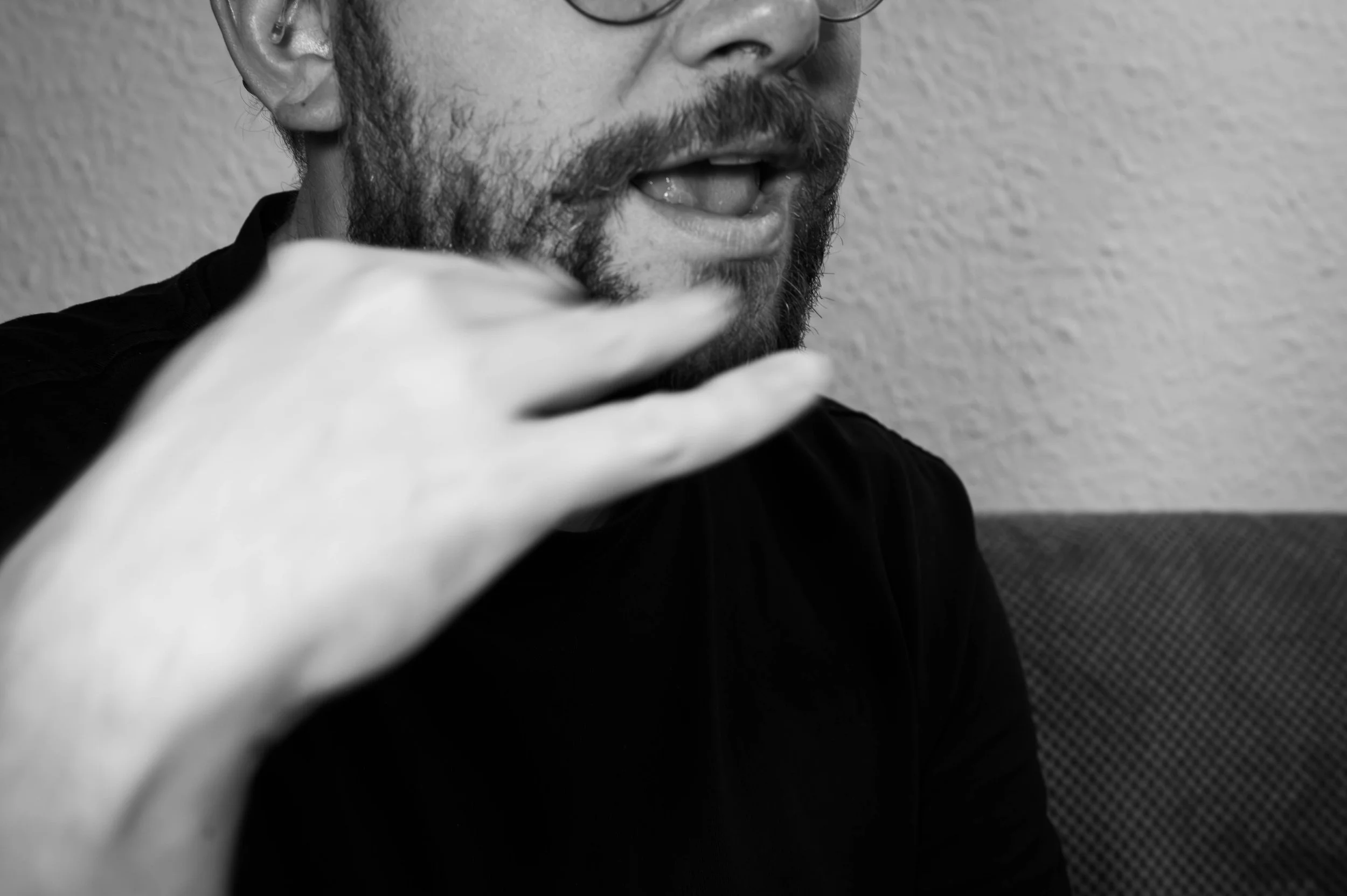
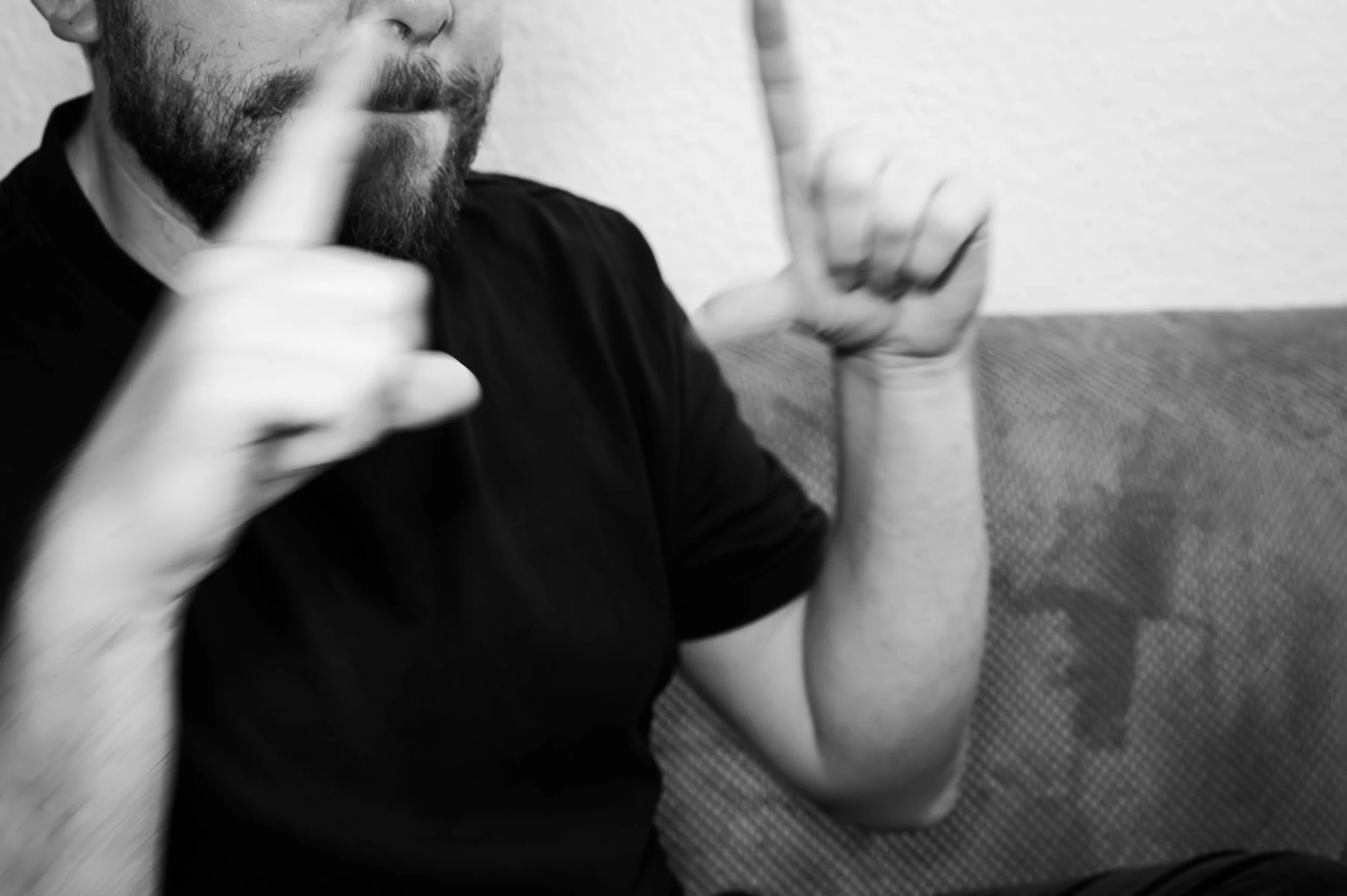
Markus was born deaf and grew up in a hearing family. After just a few days in a mainstream kindergarten, he moved to one for children with hearing loss, and later attended a school for the hard of hearing. At the age of 7, he received a cochlear implant and spent much time in speech therapy. Often, he felt torn between worlds – hearing, hard of hearing, and deaf. During his vocational training, he met many different people, experienced love and heartbreak, but also discrimination at work through “audism”: many hearing colleagues failed to take his communication needs seriously.
In the deaf community, Markus feels most free, as sign language allows him to communicate openly. At the same time, spoken language remains part of his identity because of his family. Over time, he learned to adapt his communication flexibly – through writing, signing, or body language. Accessibility tools like interpreters give him independence.
A defining aspect of Markus’s life is his queer identity. He is gay and queer, feels most at ease with men, and finds acceptance and safety in queer spaces. With women he shares closeness, but sexually he feels inhibited. For him, being queer means freedom – the ability to live authentically. This philosophy is also reflected in his open relationship, which is based on trust and honesty.
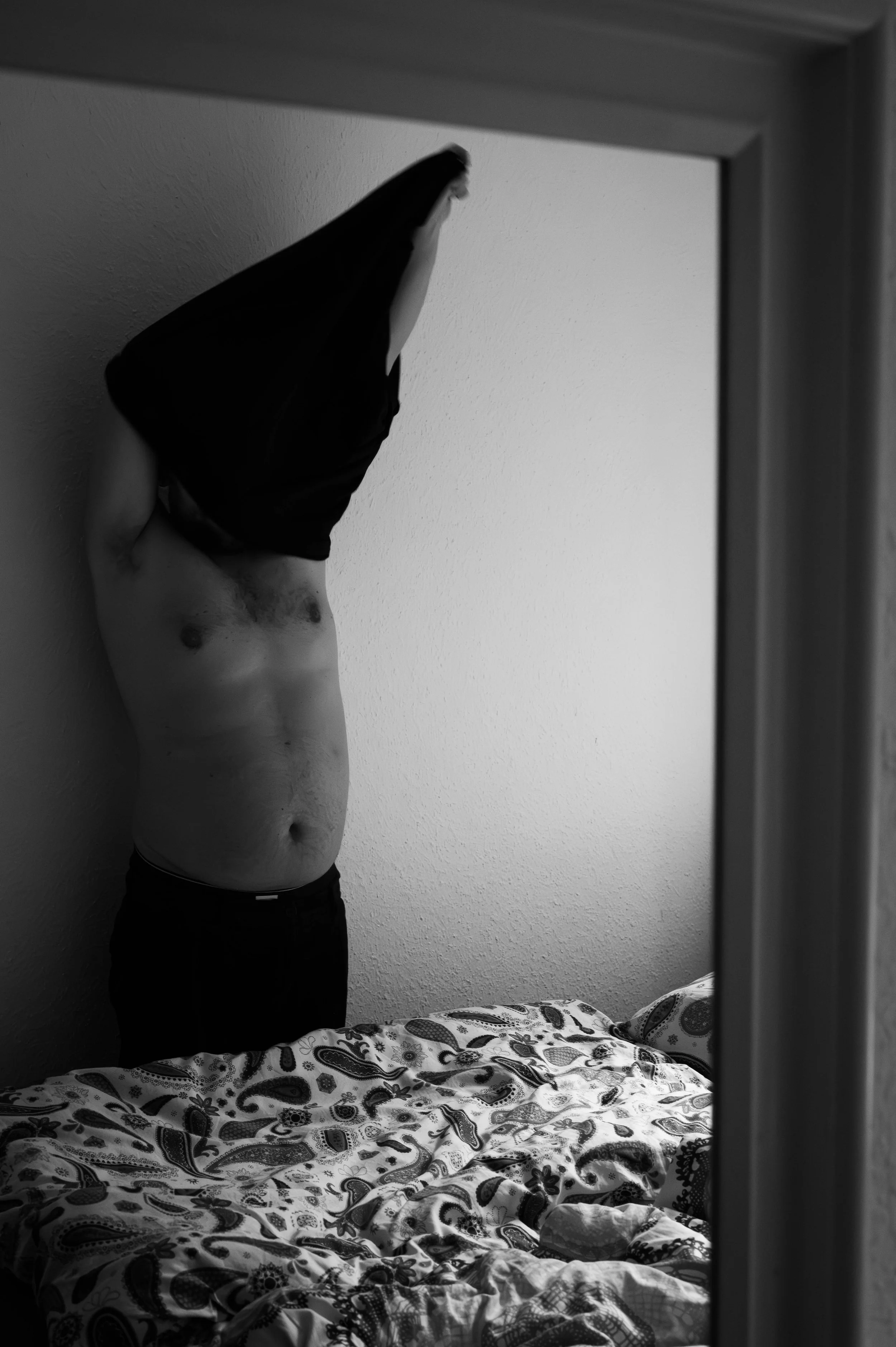
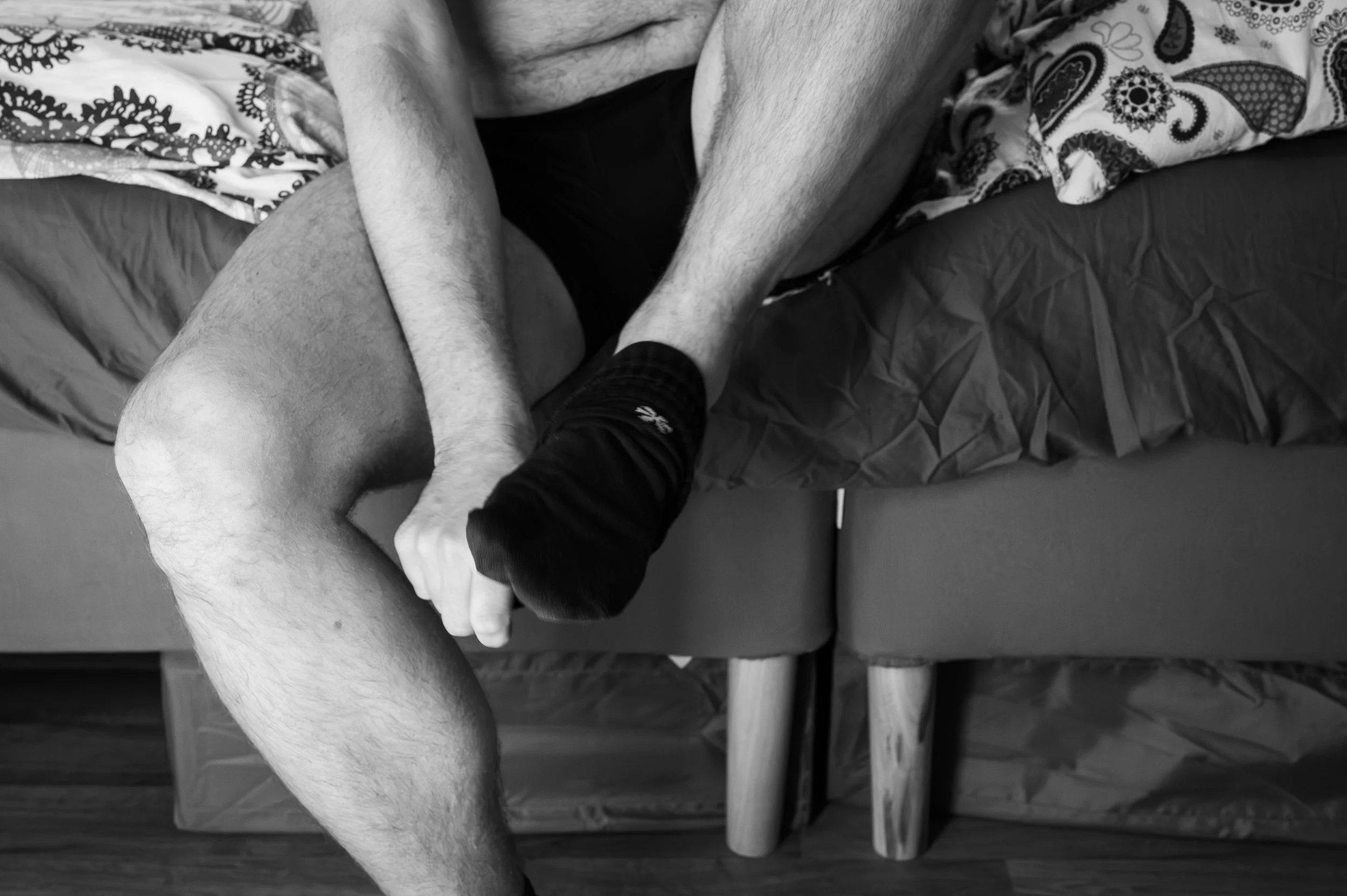
Another important part of his identity is his body. Markus is strong, on the heavier side. In the past, he often felt ashamed, excluded among thin and athletic men, and hid his body. Today, that has changed: he is confident, enjoys nudity, loves dancing and swimming, and takes joy in his body. Most importantly, his partner loves him just the way he is – which gives him comfort and affirmation.
What defines Markus most, however, is his openness to new experiences. He loves discovering, learning, and sharing new things. In queer spaces, in changing social contexts, in his communities – he continuously adapts. This constant self-reflection – noticing how society shapes him and consciously choosing his own path – gives him his deepest sense of freedom.
Markus knows he lives between many worlds: deaf and hearing, queer and heteronormative. But today, he has found balance. He accepts his body, lives his sexuality freely, and sees his identity not as a weakness but as a strength.