
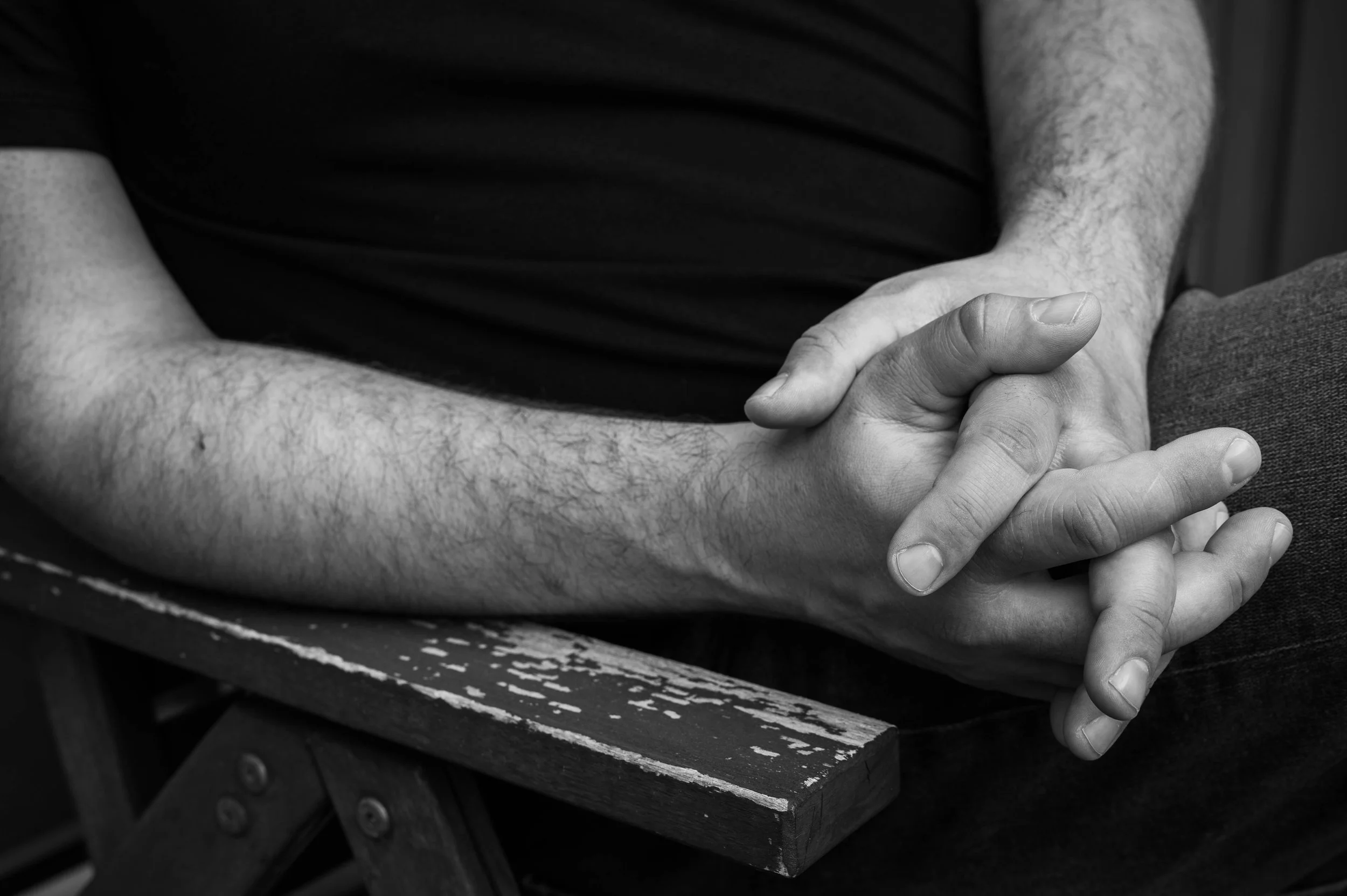
Echoes of the East
And then what?
The Wall fell, the borders opened, and history shifted in a single night. But what happened after the euphoria, after the champagne on the streets, after the hugs and tears? Was it real — this promise of unity, freedom, a new life?
For East Germans, the celebration was only the beginning of another kind of uncertainty. Identities shaped by decades of separation were suddenly called into question. A system vanished overnight, and with it the rhythm of everyday life. Work, community, even language changed.
Did they believe it — this new Germany? Did it feel like home, or like being swallowed by something larger, unfamiliar, foreign? Some embraced it, some resisted, many were left in between: navigating the space where memory of the East met the demands of the West.
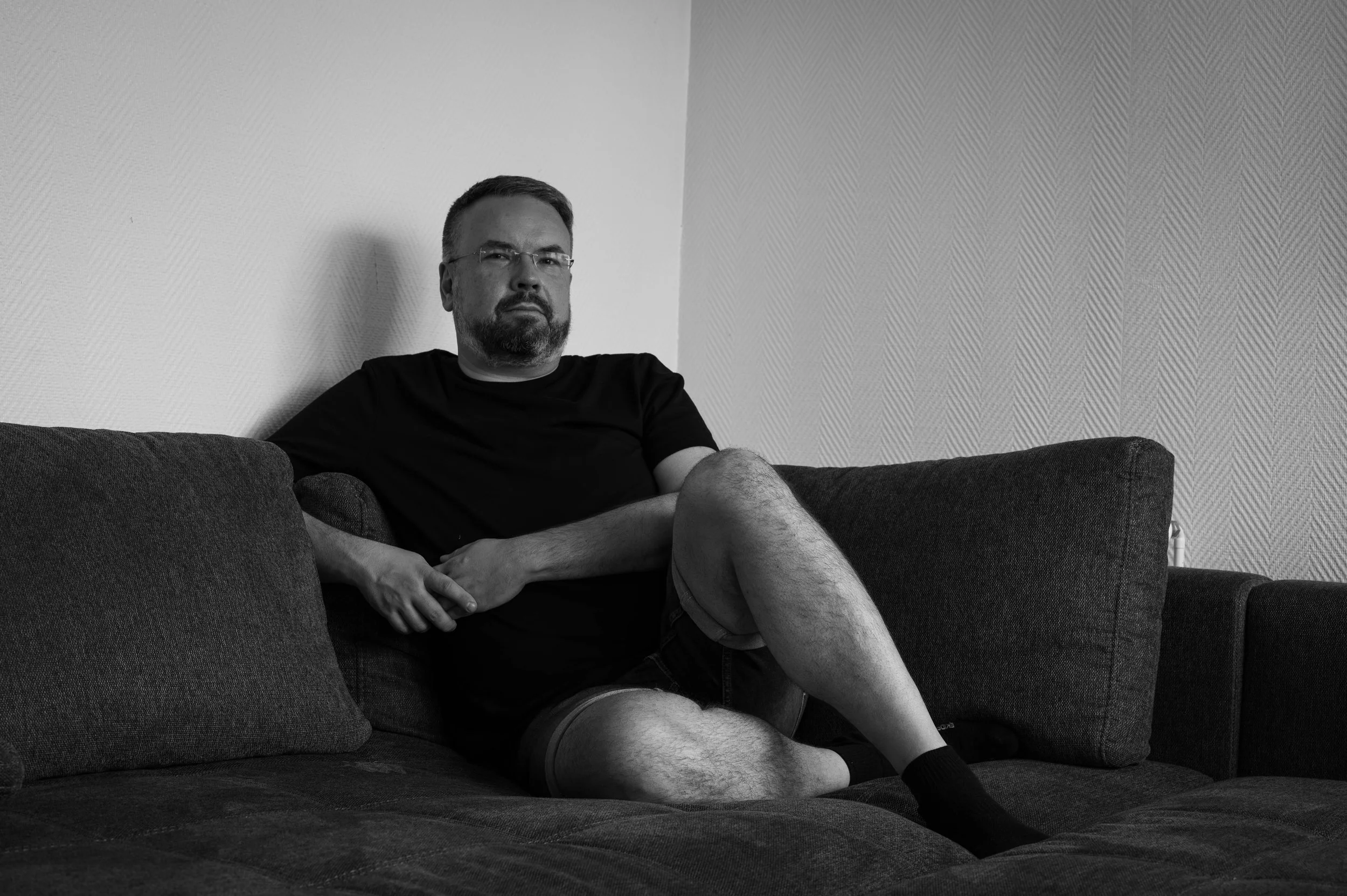
The photographs trace this passage. They show the faces of people who carried their histories across the border, stepping into a brand new world that was, for them, the West. Each portrait is both a witness and a question: what was gained, what was lost, and what still lingers after the Wall?
The Wall came down. But the real story begins after.
This is an ongoing project.
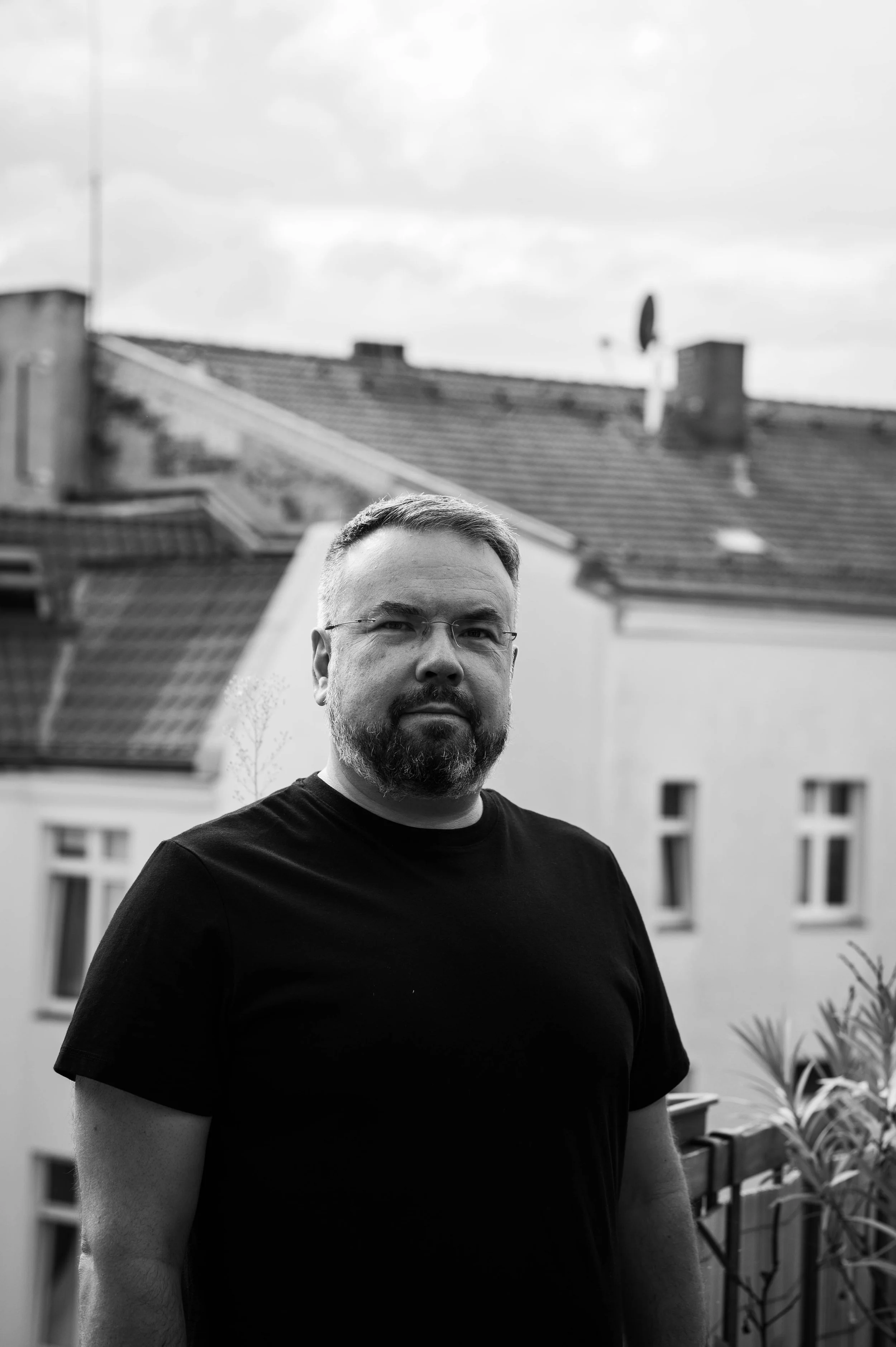
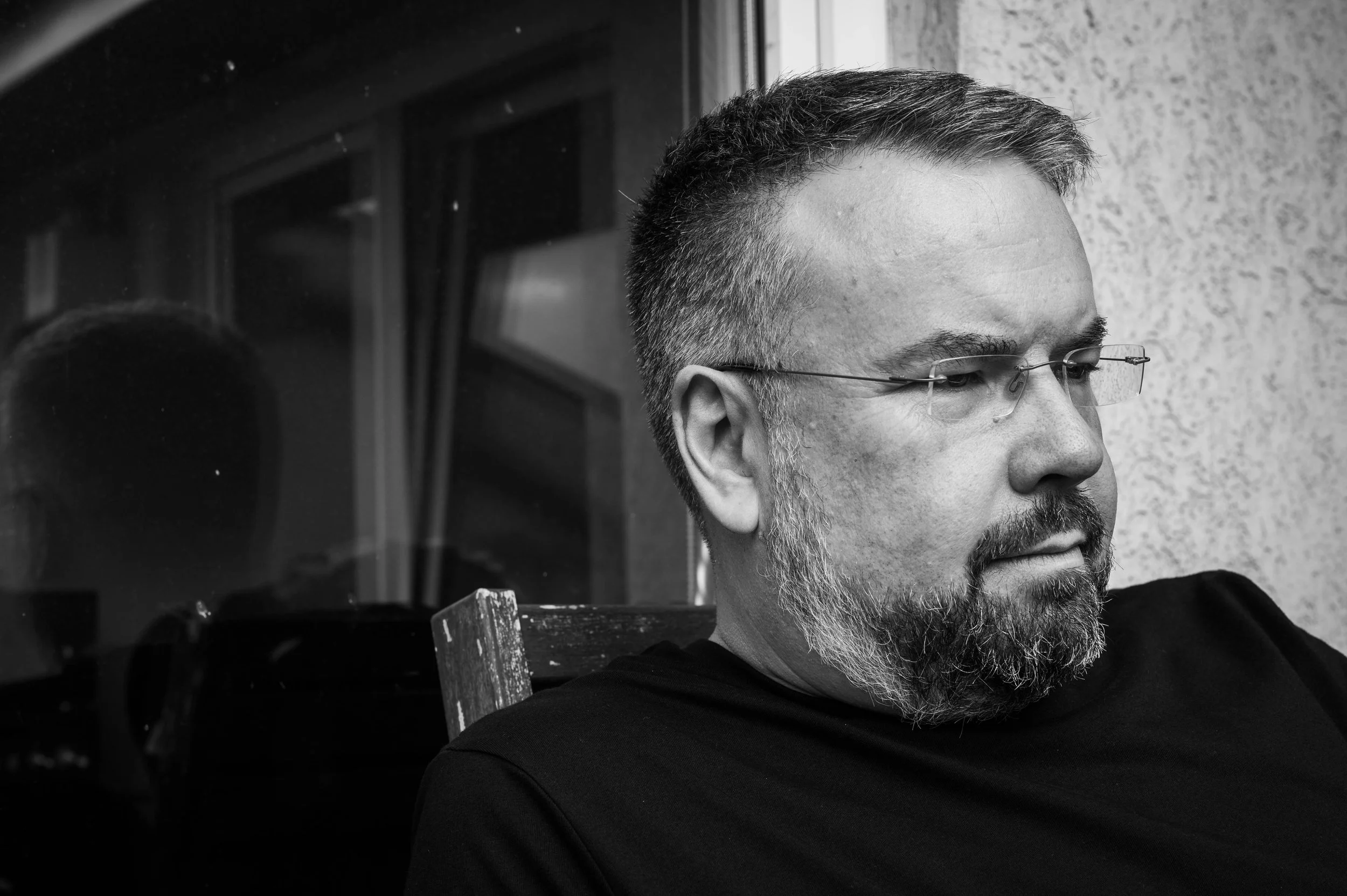
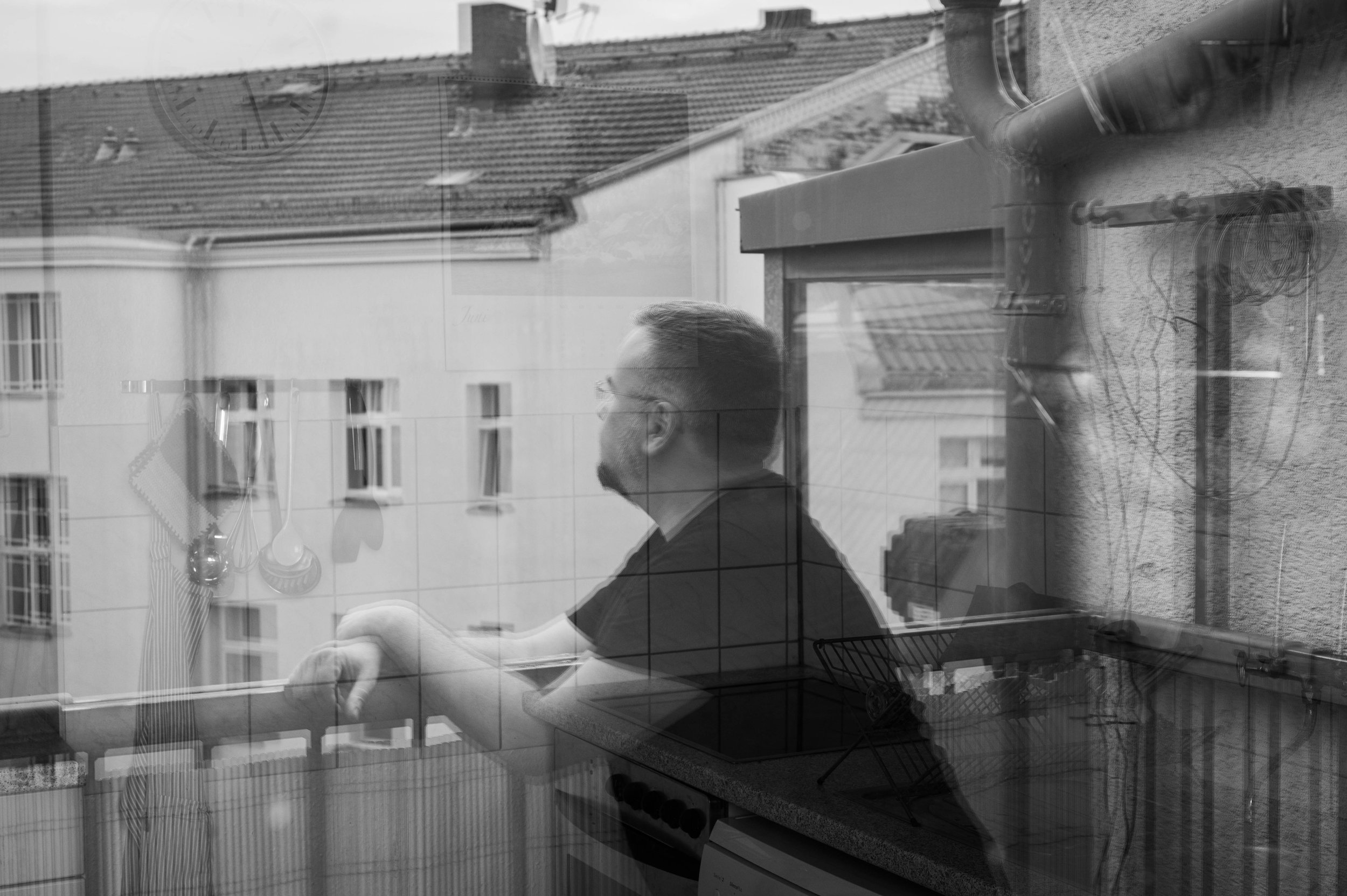
Frank
From Blue Scarf to Coca-Cola
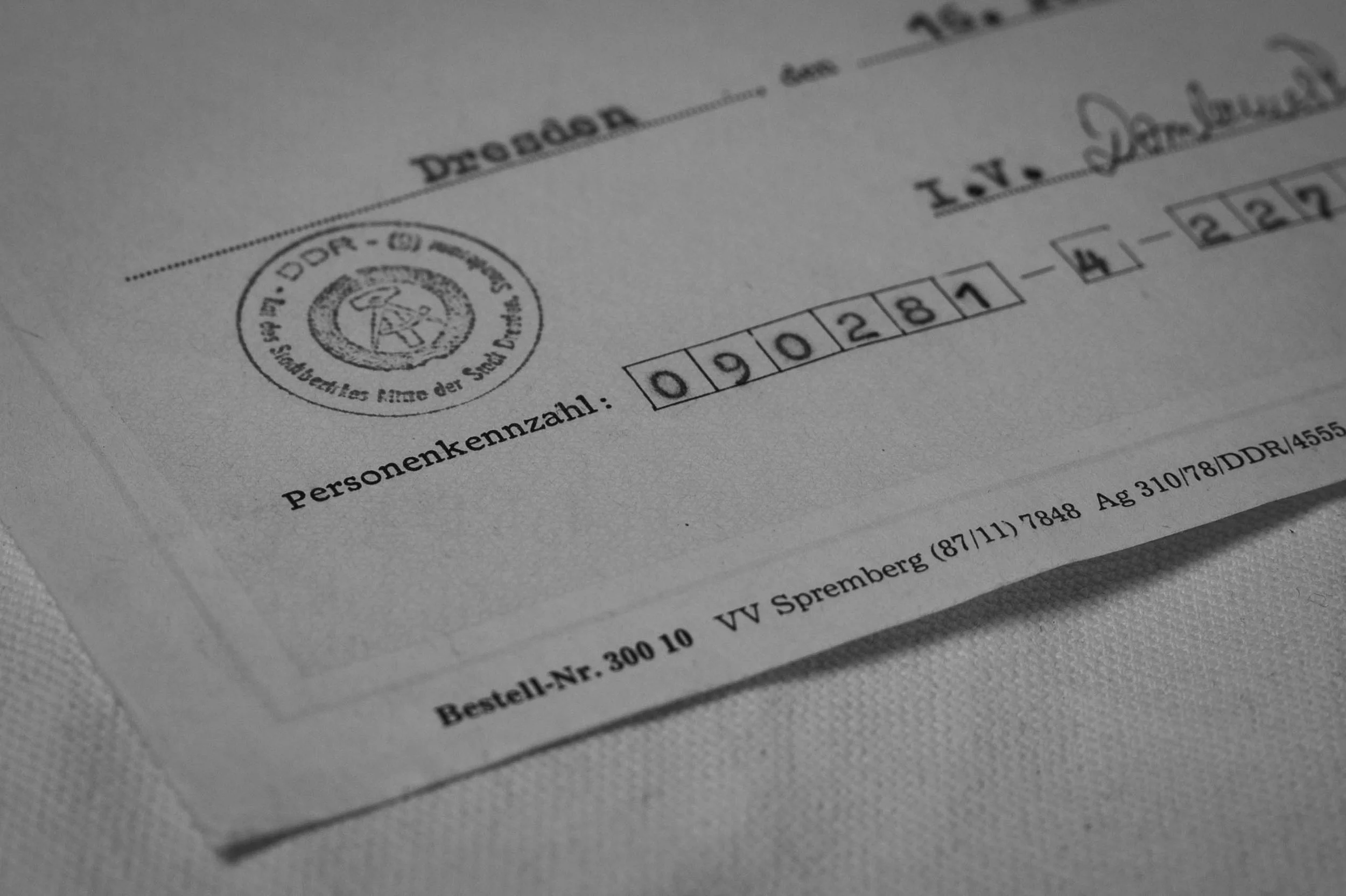
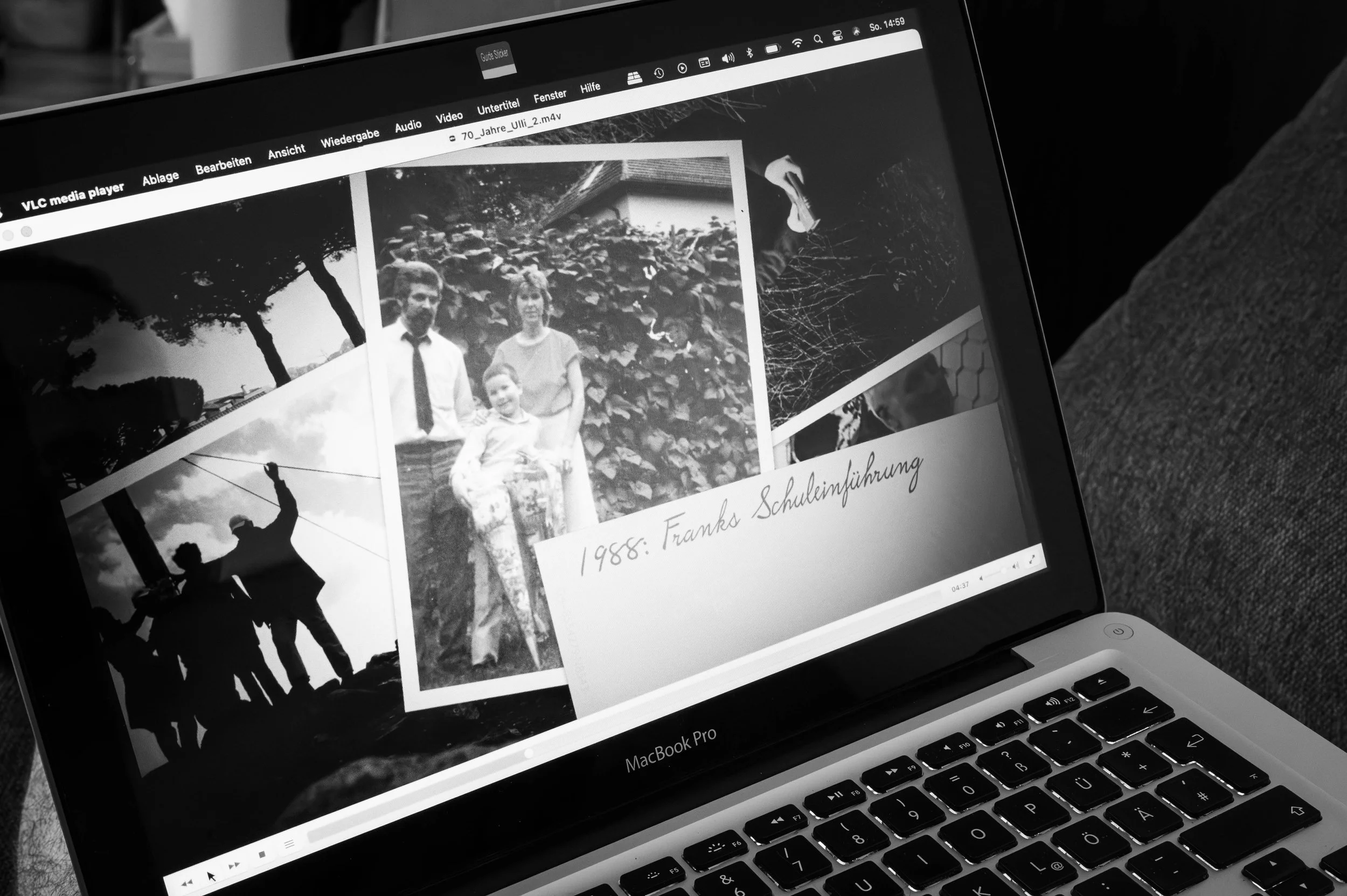
Frank was born in 1981 in Dresden. He was eight years old when the Wall fell, and his memories of the DDR are mostly childlike and unpolitical. His parents lived quietly — his father an electrician, his mother a secretary — so he did not feel disadvantages from the state.
As a boy, Frank proudly joined the Jungpioniere, receiving his blue scarf and ID card, unaware then that this was part of a system binding children early to socialist ideals. He recalls ceremonies, flags, the Pionierpalast in Dresden, and even showing his Pionier ID to border guards with pride.
The fall of the Wall in 1989 brought both chaos and excitement. Frank vividly remembers his first trips West: everything seemed brighter, more colorful, cleaner. He noticed details like barcodes on packaging — a sign of “Western products” — and cherished his first Coca-Cola, a toy bought with Begrüßungsgeld, and especially riding in old Mercedes buses instead of smoky Ikarus buses from Hungary.
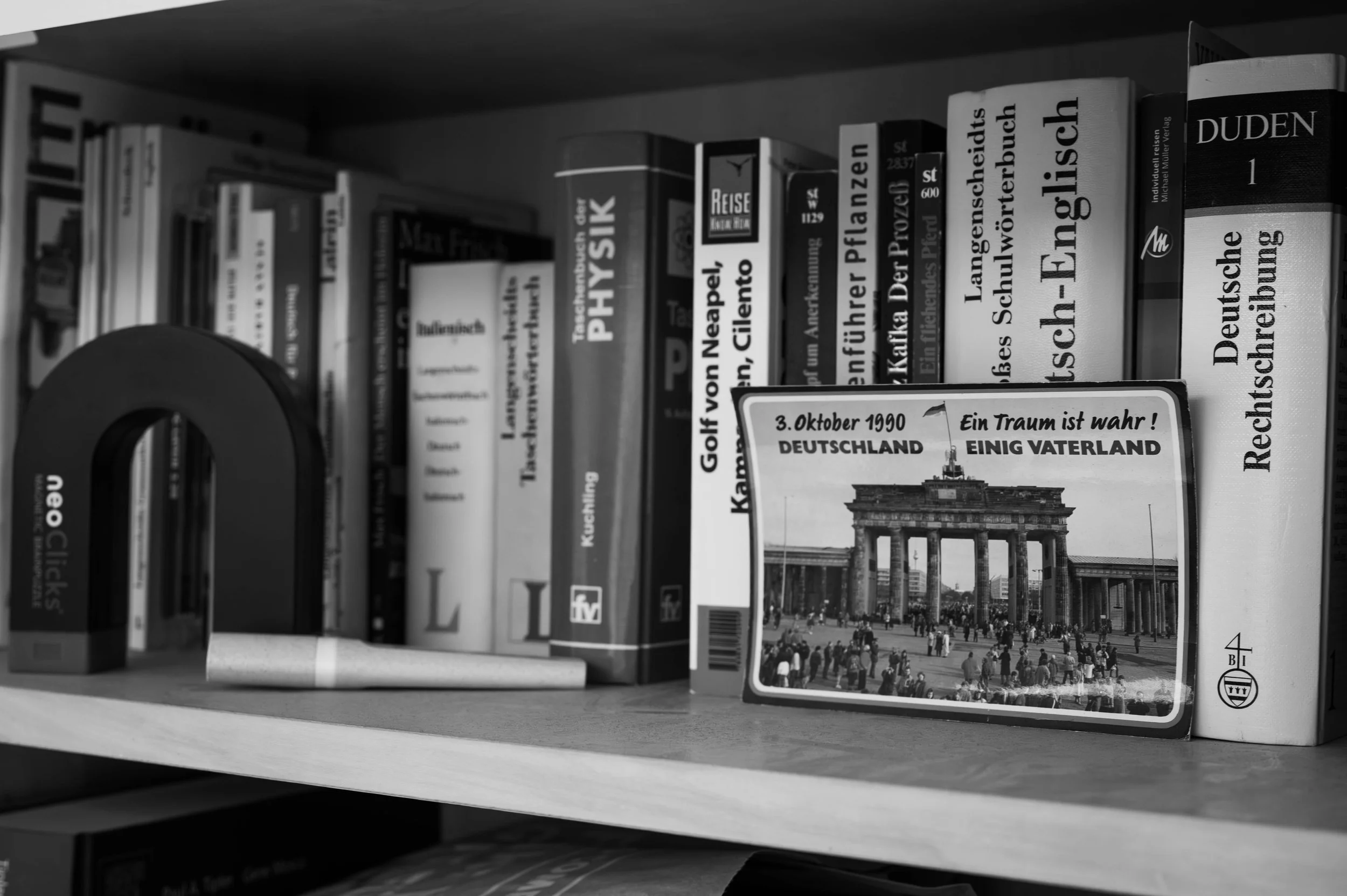
The reunification brought sudden change: East German shops transformed overnight from DDR products to Western goods. Frank also recalls how some classmates disappeared, as families moved quickly West, fearing the borders might close again. For him, the experience was less political than sensory — the feeling of stepping into a new world that looked, smelled, and even tasted different.